
Last updated November 22, 2026
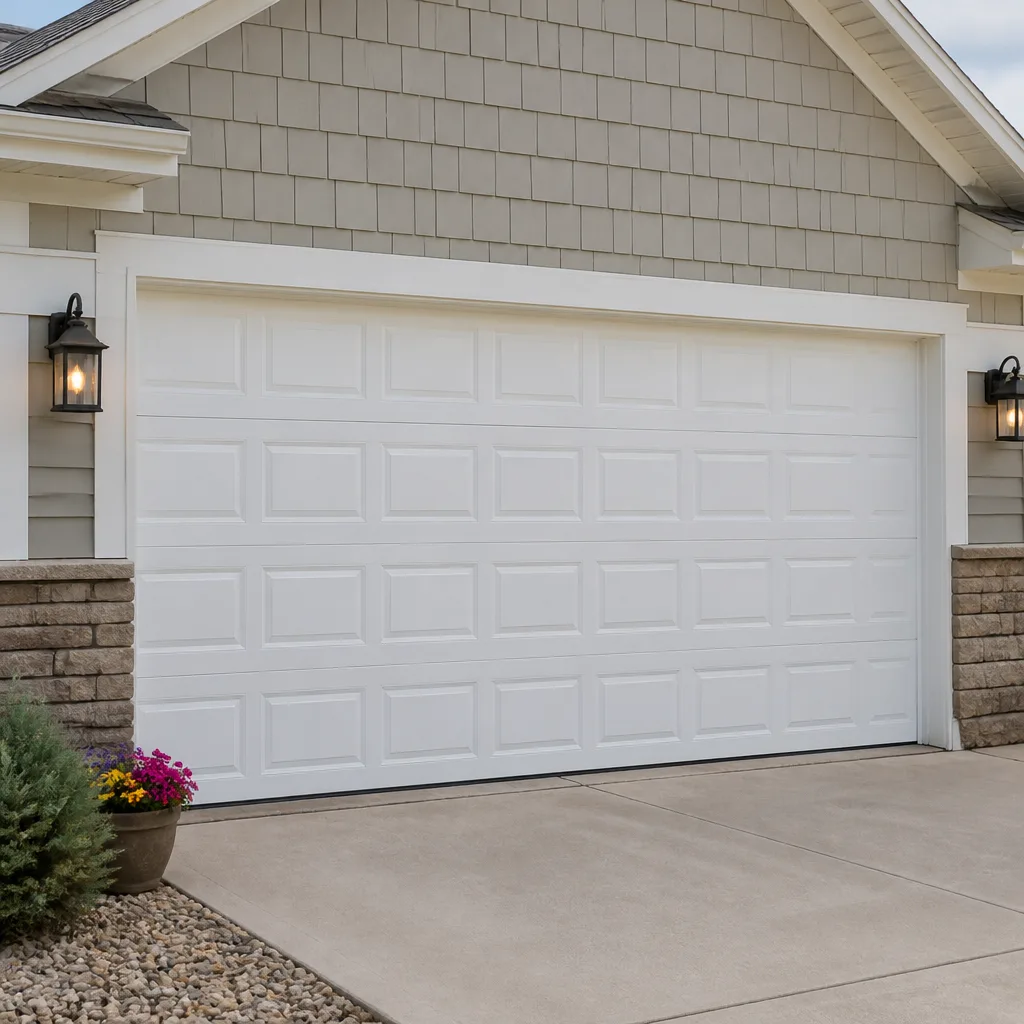 Raised-panel steel
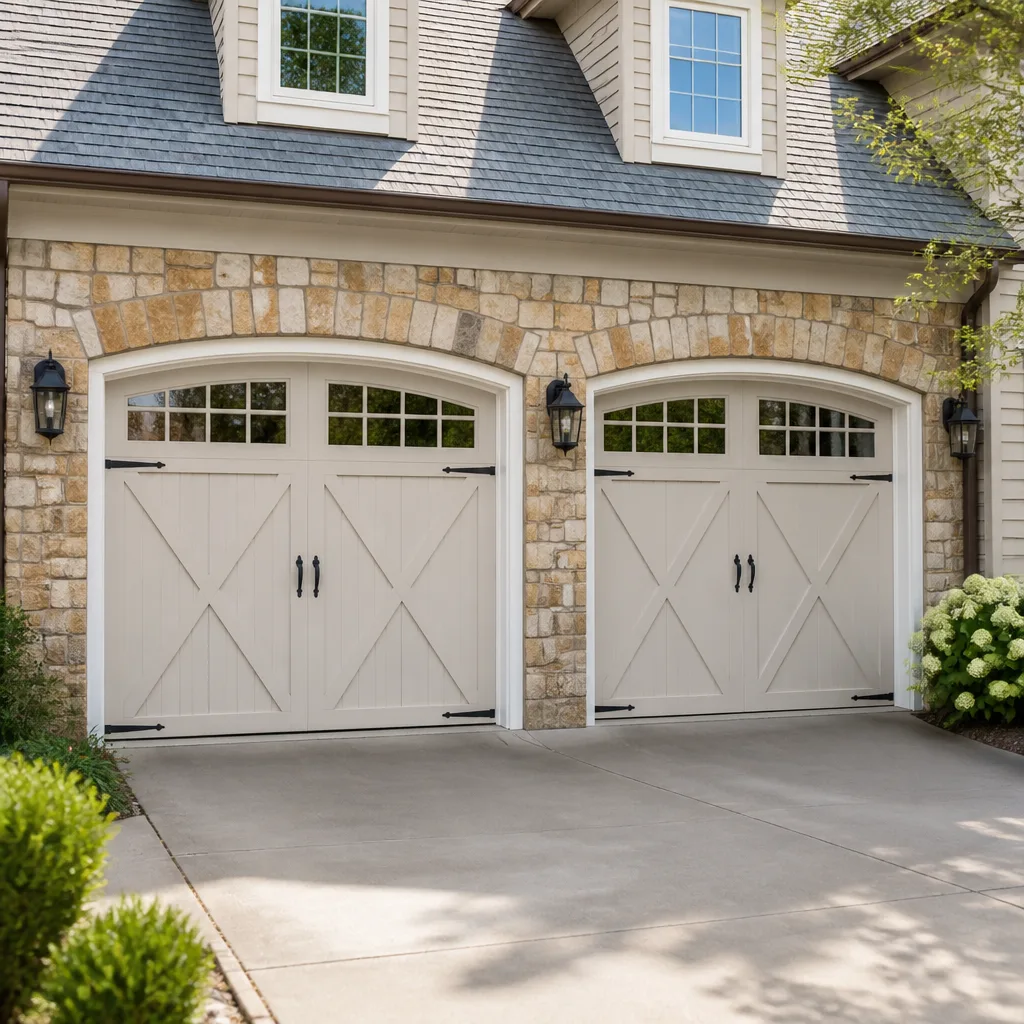 Carriage house
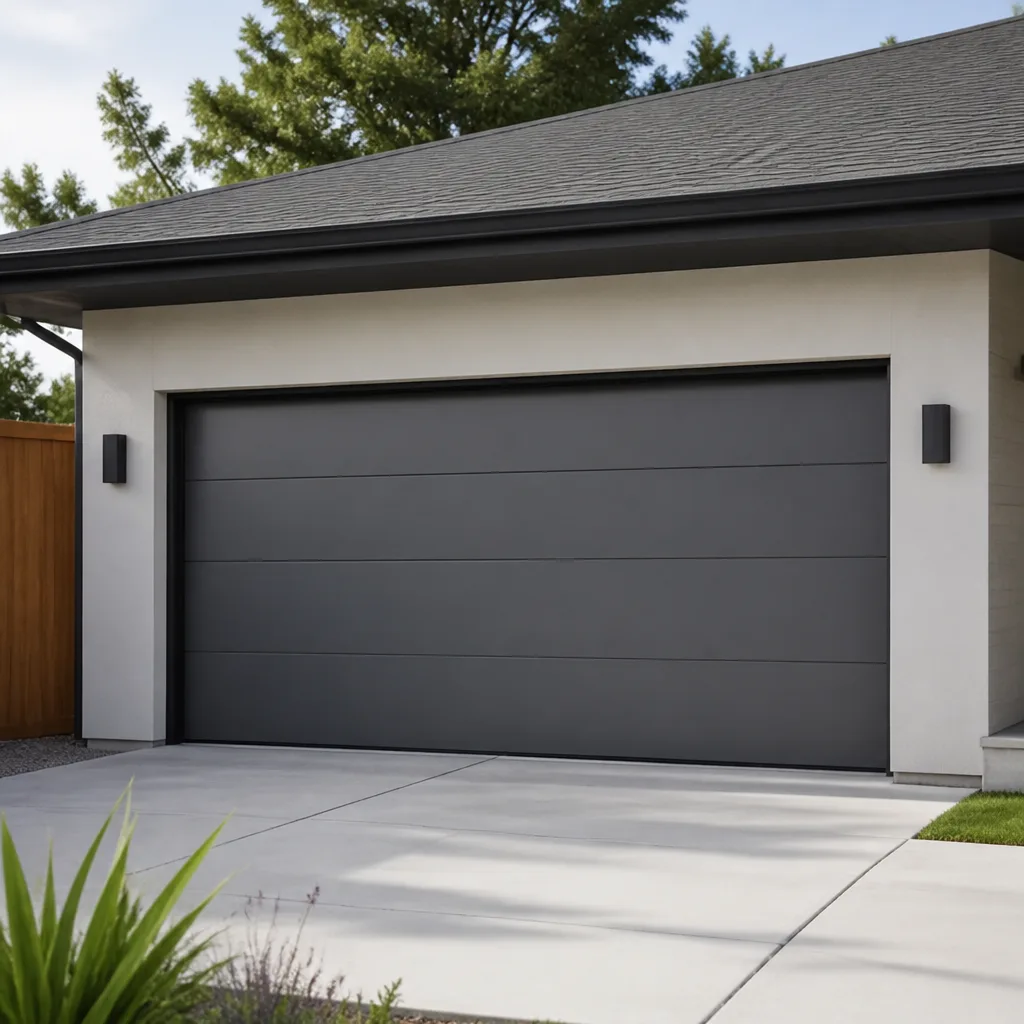 Modern flush
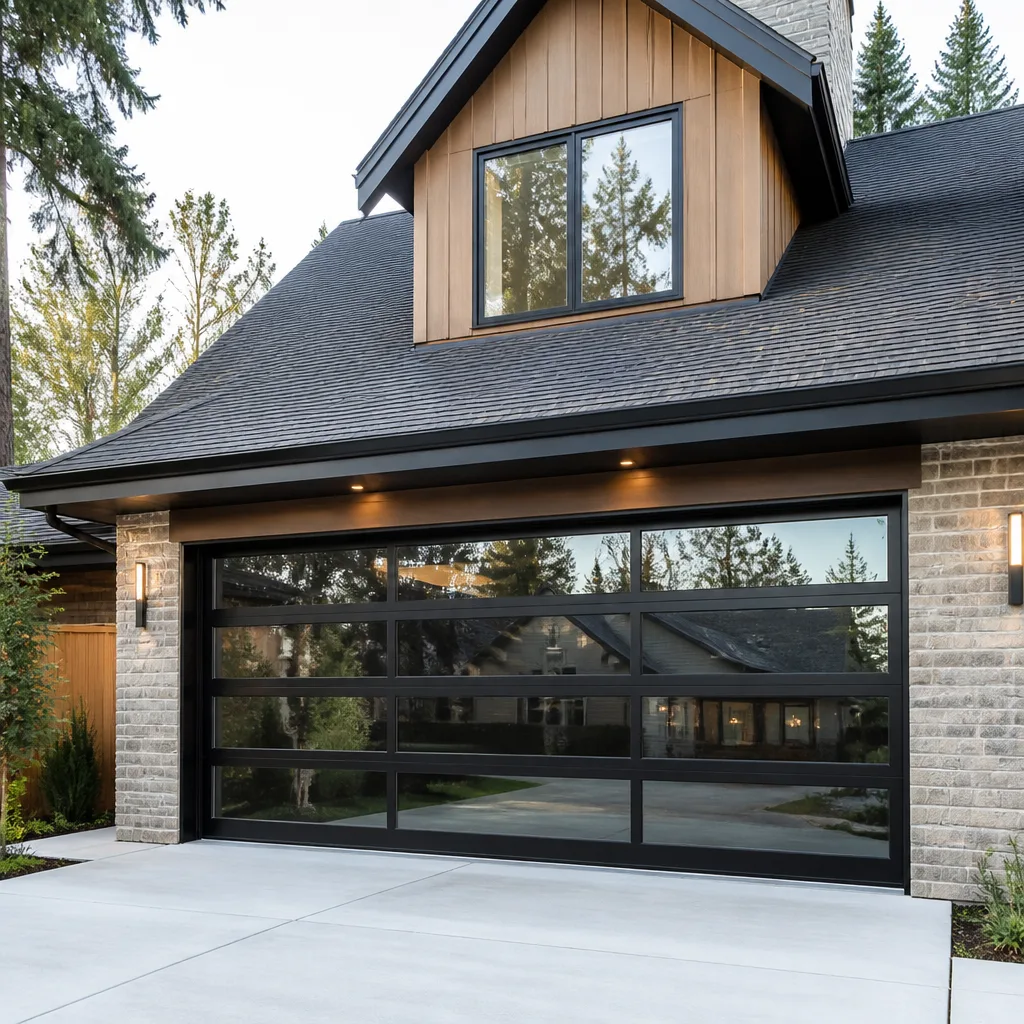 Full-view glass
 LiftMaster openers
 Chamberlain openers
Full 25-point door and opener safety check with every visit - springs, cables, rollers, tracks, and your LiftMaster or Chamberlain opener included
You get a price before we start. It does not change when the pro arrives.
Get your free estimateGarage Door Warning Signs: A Florissant Homeowner’s Reference Guide
A grinding noise and a scraping noise mean two completely different things and call for different responses, and most homeowners use the same word for both. That single habit makes phone triage almost useless. When we ask “what does it sound like” and the answer is “it’s making a noise,” the parts list going out the door could be for a worn opener gear or a dry hinge, and those aren’t the same box. Garage doors telegraph their problems weeks or months before they quit. This guide gives you the vocabulary to describe what your door is telling you, decide how urgent it is, and get the right parts on the first visit. If your door is already on its last legs, start with garage door repair and we’ll take it from there.
Quick Answer
A garage door gives warning long before it fails: uneven grinding, scraping, popping, lifting crooked, reversing on its own, or visible sagging springs and frayed cables. A door that binds or slams down on its own should be stopped and checked before you use it again, while rattles, slow travel, and noise are usually a schedule-this-week situation. In Florissant, the seasons matter too – the freeze-and-thaw swings and humid summers speed up wear on springs, rollers, and tracks, so a door that ran fine in October can feel stiff in January.
Styles & brands we work with
- Raised-panel steel
- Carriage house
- Modern flush
- Full-view glass
- LiftMaster openers
- Chamberlain openers
Table of Contents
- Sound-by-Sound: What Each Noise Points To
- Visual Warning Signs: Springs, Cables, and Rollers
- Movement Abnormalities and What They Diagnose
- Stop-Using-the-Door vs. Schedule-It-This-Week
- How Florissant Weather Speeds Up Door Wear
- How to Describe the Problem So the Right Parts Arrive
- A Seasonal Check You Can Do in Five Minutes
Sound-by-Sound: What Each Noise Points To
The noise is the first clue, and it’s the one most people mangle on the phone. Here’s how we translate it. None of this is a diagnosis you should act on with a wrench in your hand – it’s a way to describe what’s happening accurately, which is half of the battle.
- Grinding. A low, continuous grind as the door moves usually points to worn rollers or a dry track, or to gears inside the opener that are chewing into each other. If it seems to come from the box on the ceiling rather than the door, suspect the opener. That’s a job for garage door opener repair – open a message and the gear set on a Chamberlain or Genie unit are the usual suspects.
- Scraping. Scraping is metal-on-metal contact, often a bent track or a roller that has come out of its channel. It’s a contact problem, not a wear problem, and it can score rails if you keep running the door.
- Popping. A sharp pop as the door lifts often traces to a spring that’s near the end of its life or a hinge that’s seized. Popping is worth paying attention to – it’s not background noise.
- Rattling. Loose bolts, a slack chain on a chain-drive opener, or worn hinges will rattle without much harm. It’s the most benign of the four but easy to tighten before it becomes something else.
- Banging or slamming. A hard bang at the end of travel means the opener’s limits are off or a spring is failing. A door that slams closed is a stop-using-it situation for anyone standing under it.
One practical tip: stand in the garage and cycle the door with the opener remote while you record a short video on your phone. The audio cuts through the guesswork when you call, whether it’s us or any other shop. On a technician’s end, an accurate sound cue is the difference between loading a spring and loading an opener gear. Techs here have up to 12 years of experience, and we’ve learned not to trust the word “noise” alone.
Visual Warning Signs: Springs, Cables, and Rollers
Some failures announce themselves before you ever hear them. The best time to spot a problem is at a dead standstill, door down, opener off, garage lit up, looking at the hardware.
- Springs. The torsion spring above the door is a coiled steel spring under heavy tension. A gap in the coil, a spring that looks stretched or misaligned, or a door that suddenly feels twice as heavy to lift by hand all point to spring trouble. Springs have a finite cycle life and simply wear out.
- Cables. The two cables running down either side of the door should be tight and neatly wound. Frayed strands, a loosened end, or a cable pooling at the bottom is a sign of something failing. Cables carry the door’s weight and are under tension – never cut, tighten, or touch one.
- Rollers. Rollers should roll cleanly in the track. A flat spot, wobble, or cracked wheel means a roller is failing and is grinding on the rail every time you open the door. Worn rollers are a tidy, low-cost repair that gets postponed far too long.
- Panels. Dents, bent sections, and cracks in a Clopay or Amarr steel door can throw off the door’s balance and make it bind. Look along the bottom seal too; a torn seal lets in water and invites rot in a wood-frame door.
- Tracks. Tracks should be straight and evenly spaced. A single bent section pinches the door and forces the whole mechanism to work harder.
Safety note. Springs and cables are the dangerous parts of a garage door. They’re under high tension, and a sudden release can cause serious injury. Don’t try to adjust, remove, or replace a spring or a cable yourself. Leave those to a trained professional. When it’s time, our technicians handle spring repair directly.
Movement Abnormalities and What They Diagnose
Some of the most telling signs are things you notice with your eyes, not your ears. A healthy door moves evenly, quietly, and correctly.
Watch your door through one full open-and-close cycle from a safe distance and note any of these:
- Uneven lift. One side of the door rises higher than the other. That usually points to a spring imbalance or a stretched cable – not a small nuisance, a signal something on the lifting side is failing.
- Slow travel. A door that’s suddenly sluggish may have a dragging roller or a strained opener. Speed is a performance clue, not a style preference.
- Reverse before closing. If the door goes down a foot and retreats, the safety sensor is tripped or misaligned. The sensor is a safety feature, and a misaligned one is a quick fix – but don’t ignore it.
- Stopping partway. A door that stalls in the middle of travel could be a limit setting, a failing torsion spring, or an opener motor losing its grip. Each calls for a different diagnosis.
- Stalling at the top or bottom. If the door won’t fully close or won’t settle at the top, the opener’s travel limits are usually off. Like reversing, it’s often an adjustment.
- Shaking or shuddering. A door that vibrates during travel means the balance is off or the hardware is loose. Persistent shaking puts wear on every part downstream.
Each of these tells a technician something specific. Reporting “it goes up halfway and stops, and the left side is higher” gets you a different answer – and a different first visit – than “it won’t open.” That’s how Florissant Garage Door Repair Pros approaches these calls: diagnosis first, no replacement pitch when a repair will do.
Stop-Using-the-Door vs. Schedule-It-This-Week
Not every warning sign is a four-alarm fire. Sorting them into two piles – stop now and schedule soon – makes the call to action obvious.
Stop using the door and get help:
- A snapping or popping sound followed by a door that won’t lift and feels extremely heavy by hand. That’s a spring failing, and a door holding full weight on a broken spring is dangerous.
- Cables that are frayed, dangling, or pooling at the bottom of the door.
- Panels that are bent or binding so the door gets stuck halfway.
- A door that slams down or doesn’t reverse when something is in its path. That’s a safety failure, not a cosmetic one.
- The opener running but the door not moving, or a door that falls when the opener disengages.
Schedule it this week:
- Intermittent grinding, scraping, or rattling that doesn’t stop when you try.
- A door that runs smoothly but develops new squeaks.
- Uneven travel, sluggish movement, or an occasional reverse that repeats.
- Worn rollers, a worn bottom seal, or one loose hinge.
- A remote or wall button that works only sometimes – often an opener or remote issue, not a door issue.
If you’re unsure which pile a symptom falls into, call. Better for us to confirm it can wait than for you to keep running a door that’s about to fail. We answer 24/7, and dispatch runs from 7am to 7pm, Sunday through Friday.
How Florissant Weather Speeds Up Door Wear
Garage doors in the St. Louis area live through a wider temperature swing than many homeowners realize. Florissant gets cold winters, humid summers, and a spring and fall that flip-flop between freezing nights and mild afternoons. Metal expands and contracts with every swing, and rubber seal and lubricant don’t like the extreme.
That means some things you’d expect to last longer will wear faster here:
- Springs. Wide temperature swings add cycles a door in a stable climate might not see, and coil steel is already working near its limit.
- Weather seal. The bottom seal cracks with the summer UV and brittles in the winter cold. A small crack grows into a cold-air leak and a rot risk in a wood-frame door.
- Hardware. Lubricant thins in summer and thickens in winter, so hinges and rollers that are already worn get noisy in January.
- Sealing and insulation. A well-sealed door matters more in January than July, and it’s worth checking the seal before the cold snap hits.
If you keep notes, jot down anything you notice in a seasonal check – a fresh squeak in January tells you more when paired with last spring’s notes than it does on its own. But whether you track anything or not, one consistent habit serves people in Florissant better than any calendar: look before you open, listen as it moves, and act when something changes.
How to Describe the Problem So the Right Parts Arrive
The best technicians in the trade don’t guess at what to load for a call. They go off what you tell them. Here’s a simple checklist that makes a real difference:
- The brand and, if you know it, the model. Our team works on LiftMaster, Chamberlain, Genie, Clopay, Amarr, Wayne Dalton, Craftsman, and Raynor, so naming the brand – on the opener box, the door label, or the remote – shortens the diagnosis and gets the right part loaded.
- The sound, using the words above. Grinding, scraping, popping, rattling, banging, or humming. Say which motion it happens on – opening, closing, or both.
- Where it happens. Left side, right side, top panel, at the floor, or up at the opener.
- What the door does. Stops partway, lifts crooked, reverses, shakes, doesn’t reverse, won’t fully close.
- What you’ve tried. New batteries in the remote? Reset the opener? Locked the door? A quick “yes I checked the sensor” saves a second trip.
- A short video clip. Thirty seconds on your phone is worth more than a five-minute phone call. Record it, then describe it.
If you can say “genie door, chains rattle and the left side lifts faster, stops at the halfway point, and the video on my phone shows it,” a technician knows exactly what’s likely and what to bring. That’s how you get garage door opener repair or a spring fix on the first visit, not the second.
A Seasonal Check You Can Do in Five Minutes
You don’t need to be a technician to spot a warning sign. Five minutes, twice a year – before winter and before summer – will catch most problems early.
- Look up. Check the torsion spring above the door for gaps, rust, or a stretched look. Don’t touch it – just look.
- Check the cables. Run your eyes down both sides. Frayed, slack, or pooling cables are a call-us situation, not a DIY one.
- Watch the rollers. With the door down, check for flat spots, cracks, or wobble. A worn roller is a cheap, easy replacement.
- Cycle the door and listen. Any new sound is a clue. Note where it comes from and which direction it happens on.
- Check the seal. Look along the bottom seal for cracks and gaps. A worn seal lets cold air and water in, and a torn one is a sign it’s time to replace it.
- Test the safety reverse. With nothing in the door’s path and the door closing, wave an object in front of the sensor. It should reverse cleanly. If it doesn’t, stop and call – that’s a safety matter.
We don’t recommend homeowners adjust springs or cables themselves, no matter what a video says. Springs and cables are under high tension, and the injury risk is real. The safe five-minute check above is about looking and listening, not disassembling.
Common Mistakes to Avoid
- Calling it “a noise” and leaving it there. The more specific the description, the faster the diagnosis and the fewer wasted trips. “Grinding on opening, from the left roller” beats “it’s noisy” every time.
- Ignoring the safety sensor. A door that reverses at random or stops short is often a misaligned sensor. It’s a cheap fix, but the same symptom can indicate a failing spring, so don’t dismiss it.
- Forcing a stuck door. Pushing a heavy door open by hand or repeatedly hitting the remote on a door that won’t lift stresses the opener and every part downstream. If a door won’t lift, call.
- DIY spring and cable work. This is the biggest one. Springs and cables are under heavy tension and cause serious injuries every year. Leave them to a professional – it’s not a job for a weekend and a YouTube clip.
- Replacing the door when the opener is the problem. Many doors that “feel broken” just need opener repair or a fresh set of rollers. Ask for a diagnosis, not a quote for a replacement, before you decide.
- Skipping the seasonal check. The most common avoidable expense on a garage door is a small problem ignored until it becomes a big one. A five-minute look catches most of them.
- Not noting the brand. Knowing you have a Chamberlain opener or a Clopay door lets us load the right parts and cut a diagnostic detour. Check the box on the ceiling and the label on the bottom panel.
See the difference
 Before
 After
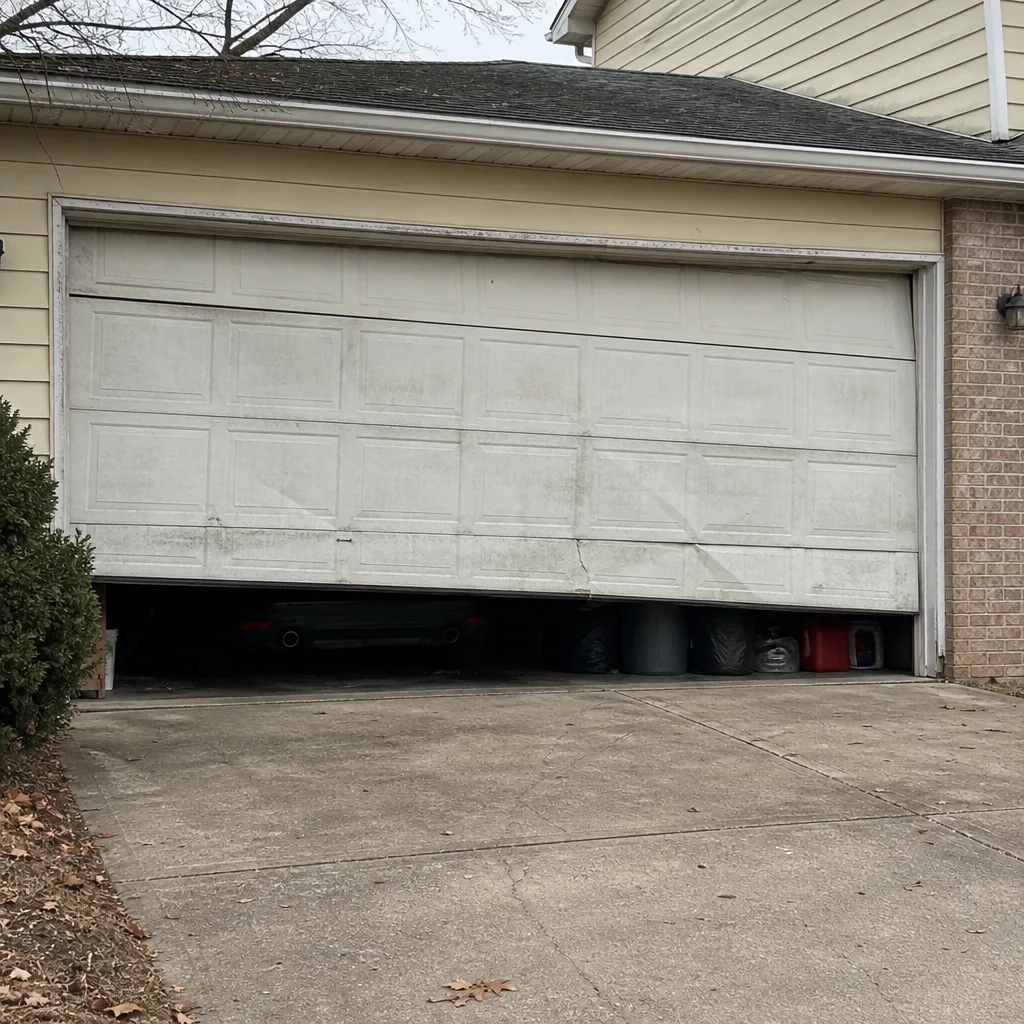 Before
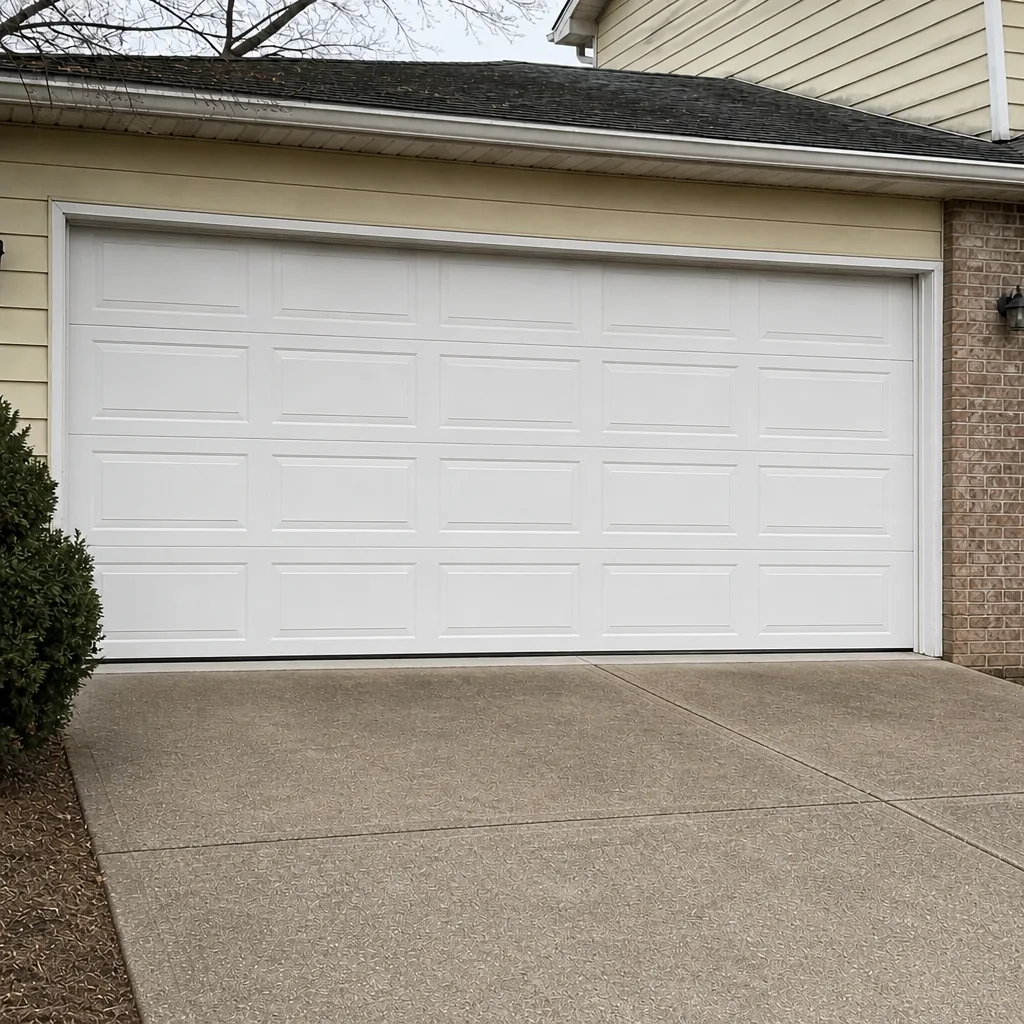 After
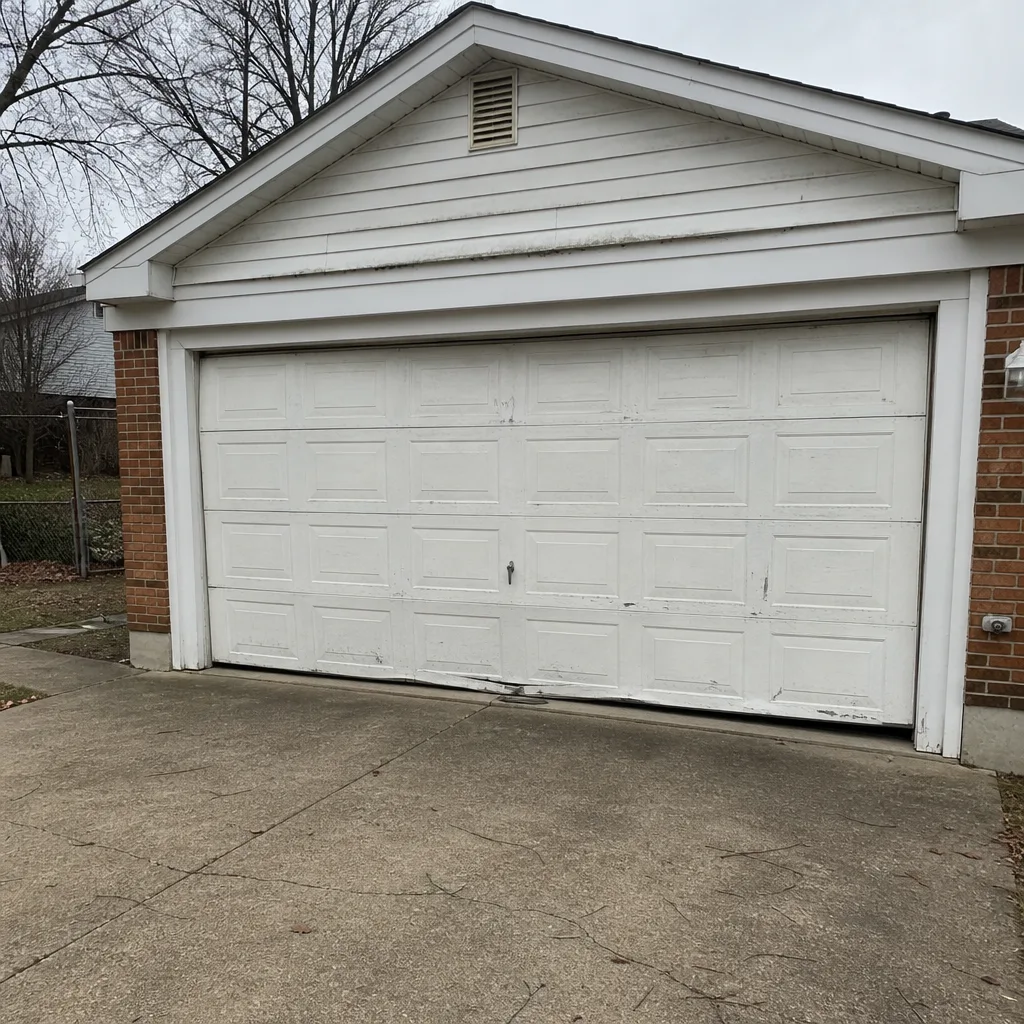 Before
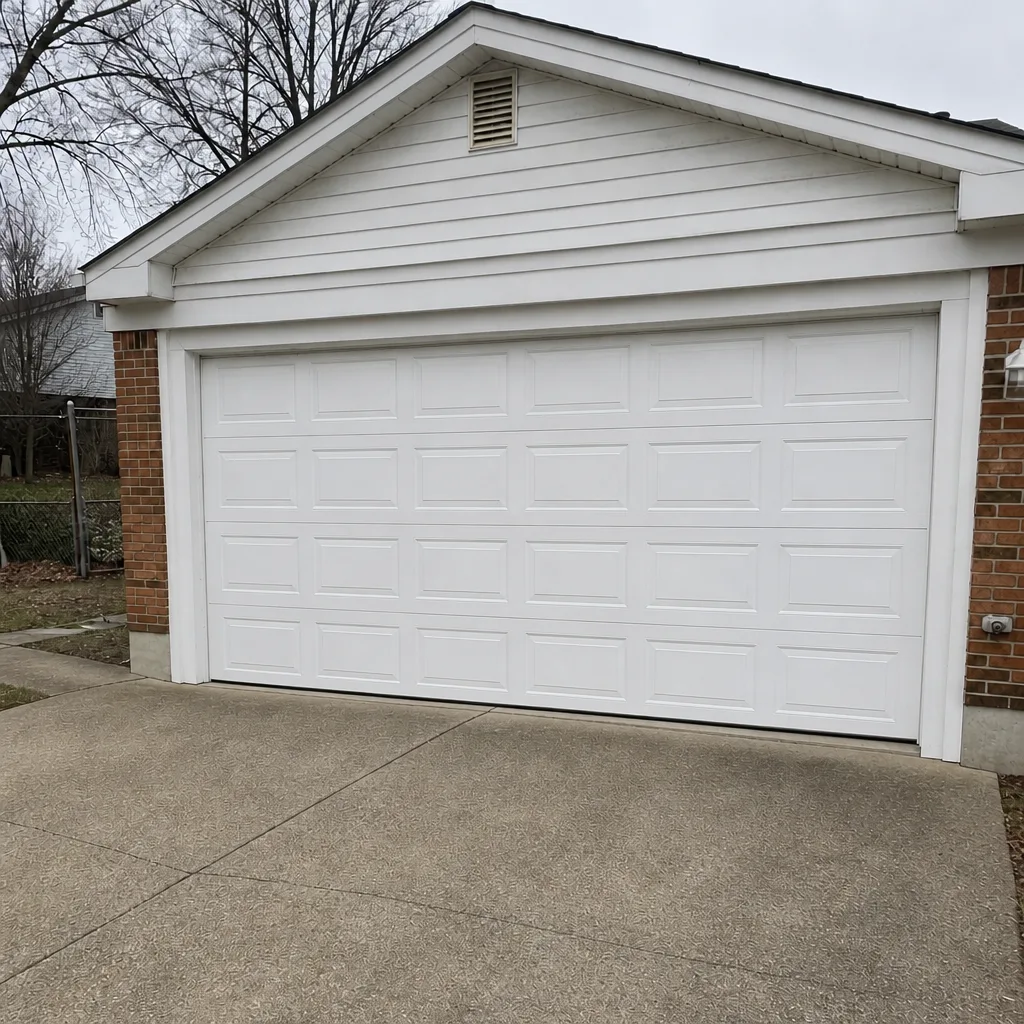 After
When to Call a Professional
Call if a spring has snapped and the door won’t lift, if a cable is frayed or hanging, if the door slams or won’t reverse, or if it stops and binds halfway. Those are the urgent ones. Call too if you’ve got a grinding noise that keeps coming back, a door that lifts crooked, or an opener that’s gone unreliable – those can wait for a scheduled visit but shouldn’t wait for months. Trying to fix a tensioned spring or cable yourself is the one thing we’d never recommend. Florissant Garage Door Repair Pros offers free estimates in Florissant – call (844) 745-3717. We answer 24/7, and fast dispatch from 7am to 7pm for the jobs that can’t wait.
Frequently Asked Questions
A broken torsion spring or a frayed cable is the most serious. Either one can cause a heavy door to fall or snap unpredictably, so if you see a gap in the spring coil or a cable that’s frayed or pooling, stop using the door and call. Call (844) 745-3717 and we’ll get it scheduled; estimates are free.
Grinding usually points to worn rollers, a dry track, or worn gears inside the opener. If the sound comes from the ceiling box rather than the door, suspect the opener. Either way, it’s a schedule-it-this-week problem, not a stop-the-world one. Call (844) 745-3717 for a free estimate.
Not if the door feels heavy or won’t lift. A pop followed by a door that won’t move usually means a spring has failed. If the door still moves and the pop is only intermittent, schedule a visit soon rather than pushing it. Call (844) 745-3717 and we’ll tell you what to watch for.
Start with the safety sensor at the bottom of the tracks – something blocking it or a knocked-out alignment is the usual cause. If the sensor is clean and lined up and the door still reverses, the opener’s limit or logic board is worth a look. Call (844) 745-3717 if it keeps happening; estimates are free.
It can be. Scraping is metal-on-metal contact, often a bent track or a roller out of its channel – and it will score rails if you keep running the door. Get it checked before it becomes a bigger repair. Call (844) 745-3717 for a free estimate.
Look on the opener unit or the door’s bottom panel for the label, then say the brand, the sound, where it happens, and what the door does. A 30-second phone video recorded while you cycle the door is the best single thing you can bring. Call (844) 745-3717 and we’ll match it to the right parts.
The Bottom Line
Your garage door doesn’t fail without telling you first. Grinding points to rollers or opener gears, scraping points to a bent track, popping often points to a spring, and rattling is usually loose hardware. Visual checks matter just as much – gaps in a spring coil, frayed cables, worn rollers, and bent tracks are all visible. Movement problems follow a similar logic: uneven lift, slow travel, reversing, and shaking each diagnose something specific. Sort signs into stop-using-the-door now and schedule-it-this-week, then describe what you’ve got in plain language. Springs and cables are always a job for a professional – never a DIY fix. Everything else, a five-minute look and a recorded clip will get the right parts on the first visit.
Ready to get your door back in shape? Florissant Garage Door Repair Pros works on the door you have and gives you a straight answer before any work starts. Call (844) 745-3717 for a free estimate, with fast dispatch from 7am to 7pm, Sunday through Friday. A written price, agreed before we begin.
Written by the team at Florissant Garage Door Repair Pros.