
Last updated November 22, 2026
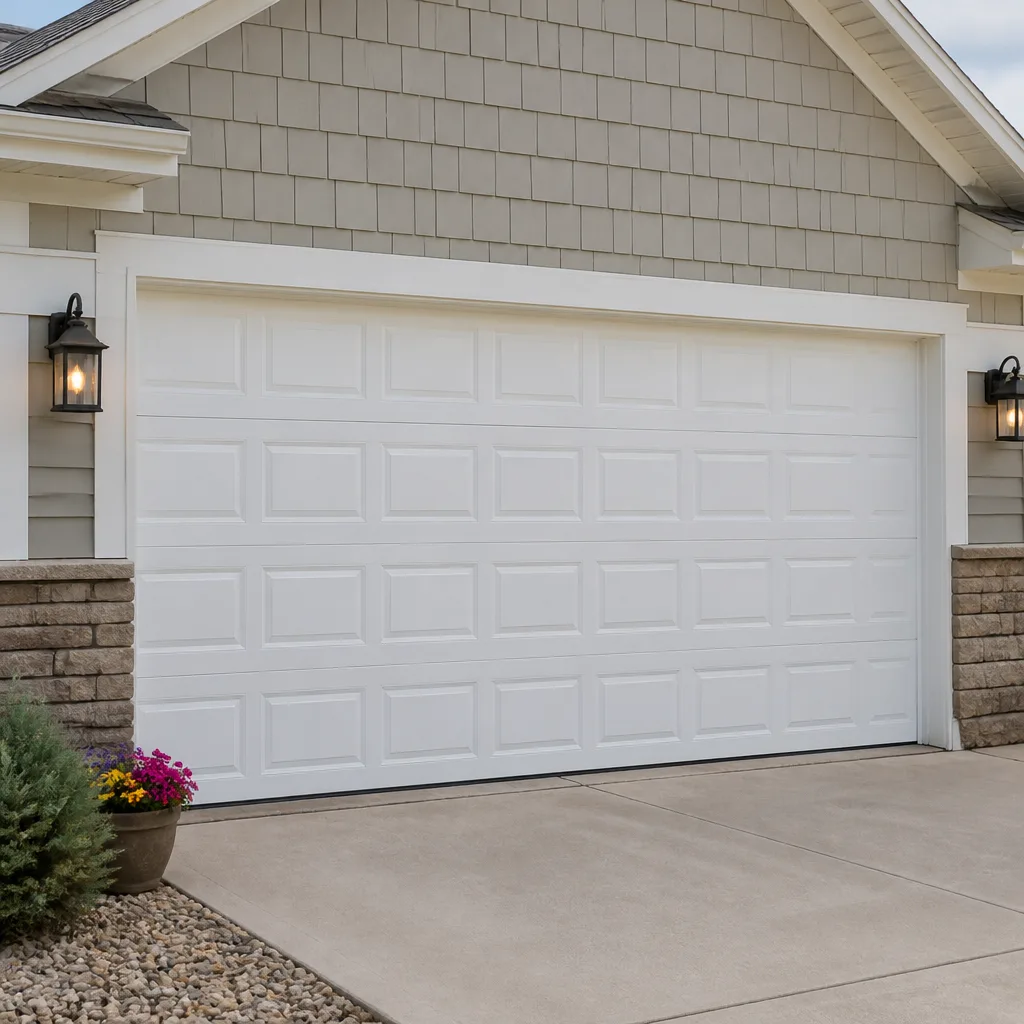 Raised-panel steel
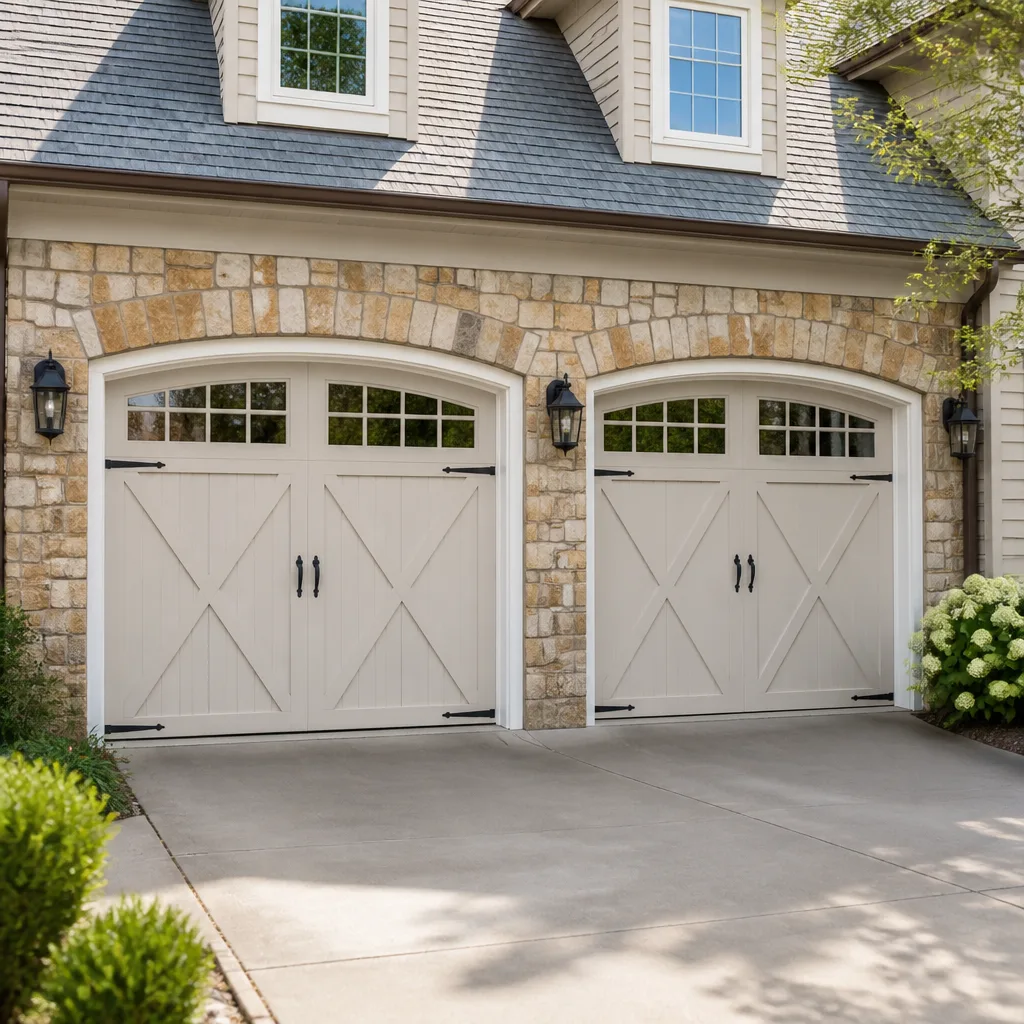 Carriage house
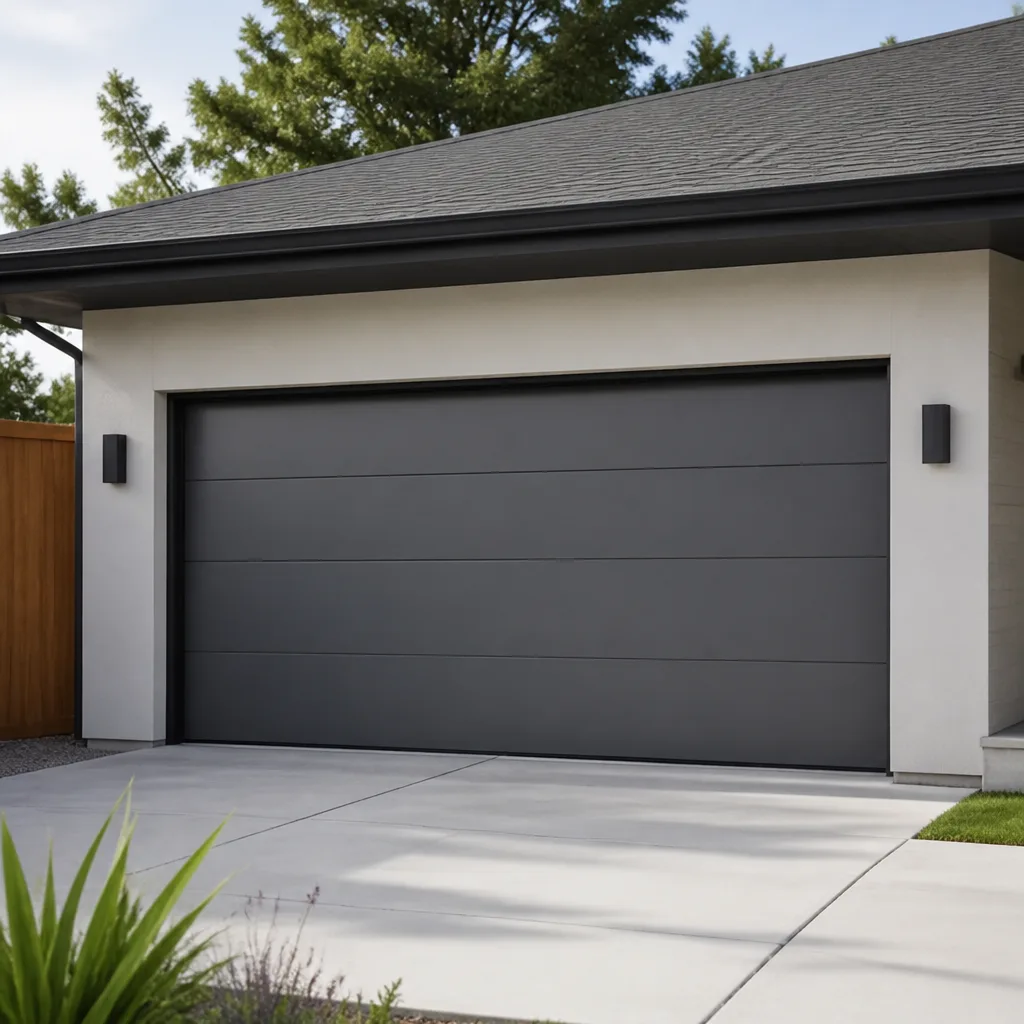 Modern flush
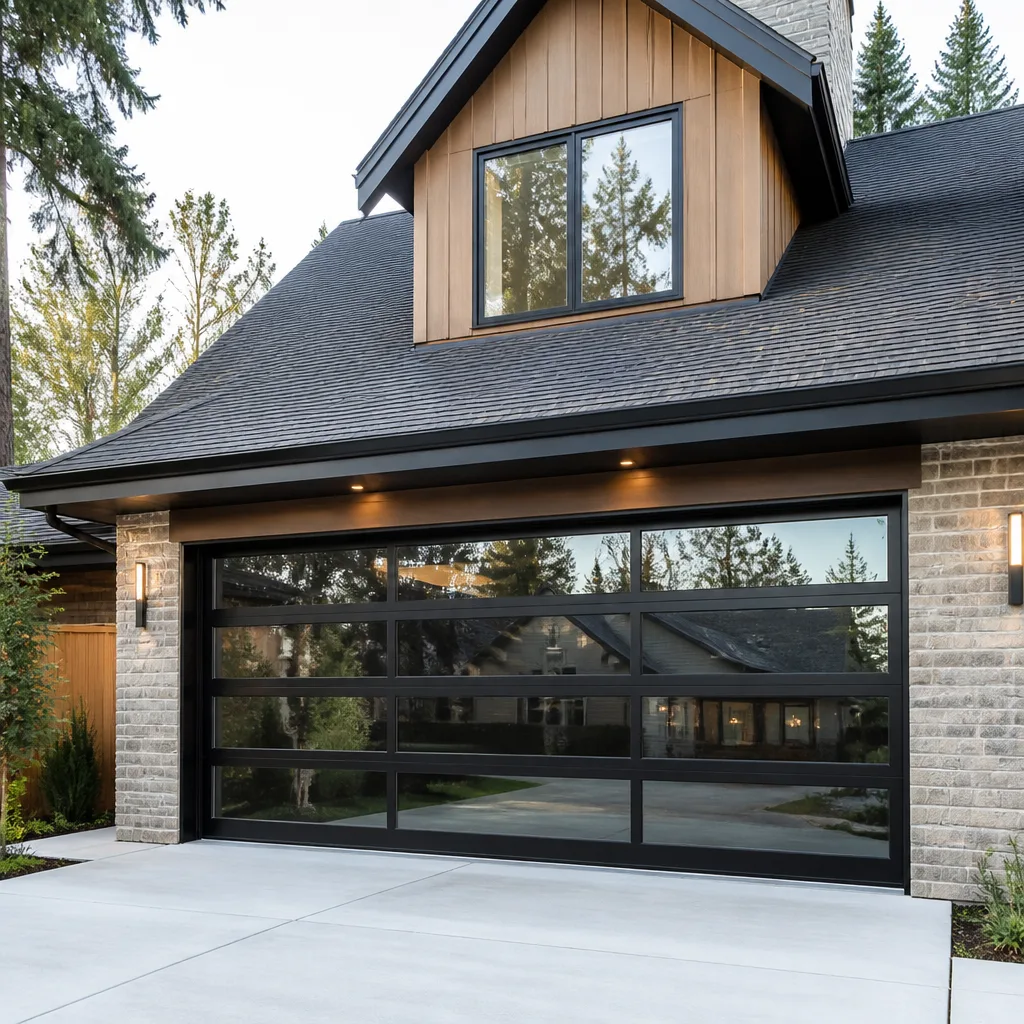 Full-view glass
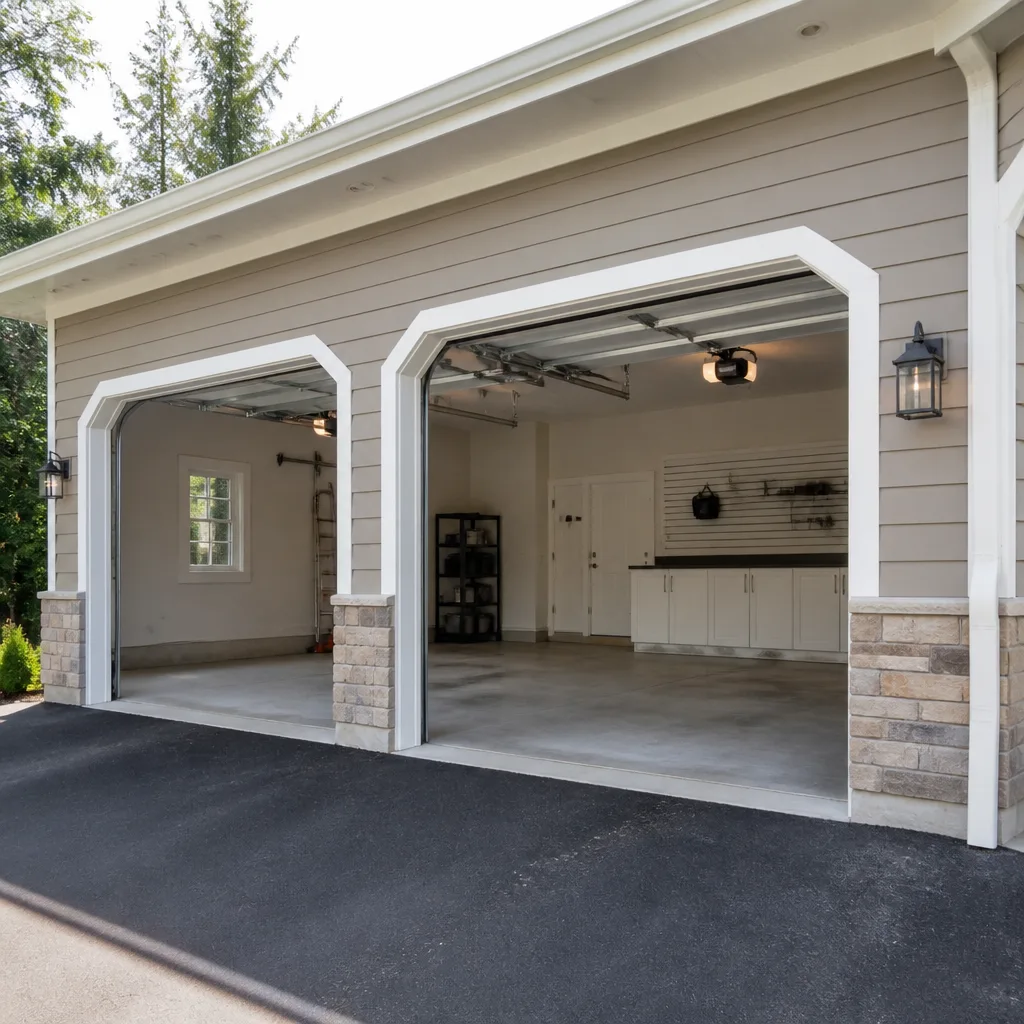 LiftMaster openers
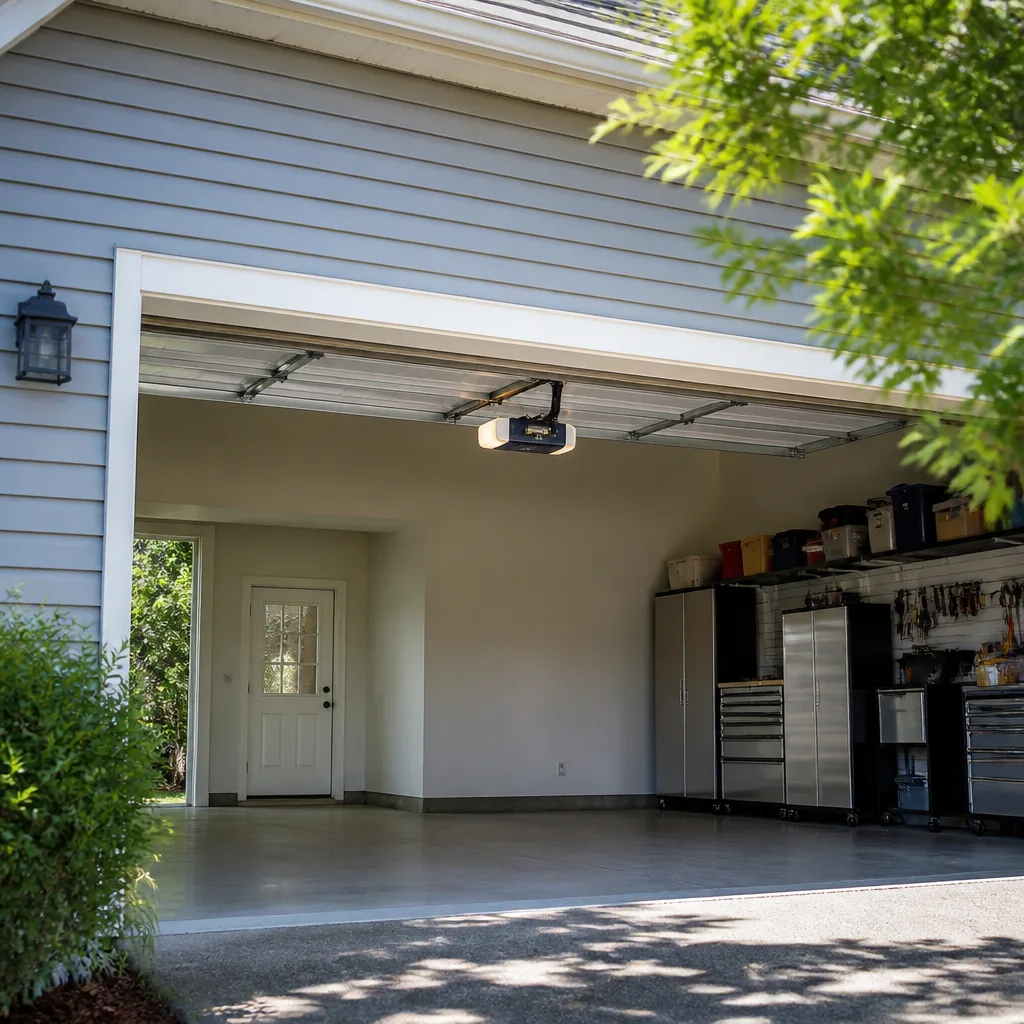 Chamberlain openers
Full 25-point door and opener safety check with every visit - springs, cables, rollers, tracks, and your LiftMaster or Chamberlain opener included
You get a price before we start. It does not change when the pro arrives.
Get your free estimateGarage Door Repair Maintenance Checklist for Florissant Homeowners
Most homeowners assume the opener is the first thing to fail on an older garage door. In our experience across Florissant service calls, it usually isn’t. The part that causes the most avoidable breakdowns is corroded, dry, or neglected hardware – rollers, hinges, springs, and bearings that a short inspection every six months would have flagged long before anything broke. Missouri’s humid summers and freezing winters are hard on metal that sits in an unconditioned garage. What follows is a checklist built around the failure points we actually see in Florissant garages, organized by how often you should check them, with honest time estimates so you know what you’re signing up for.
Quick Answer
A practical garage door maintenance checklist for Florissant homeowners covers three rhythms: monthly visual and safety checks (about 10 minutes), twice-yearly lubrication and balance testing (about 20 minutes), and annual hardware inspection including spring health, cables, and opener force settings (about 30 minutes). The single highest-value habit is lubricating moving metal parts and testing the safety reverse every six months. Anything involving springs, cables, or torsion hardware is inspection-only for a homeowner – those get a trained technician.
Styles & brands we work with
- Raised-panel steel
- Carriage house
- Modern flush
- Full-view glass
- LiftMaster openers
- Chamberlain openers
Table of Contents
- Monthly Checks You Can Do in 10 Minutes
- Twice-a-Year Maintenance: Lubrication and Balance
- The Annual Deep Inspection
- Hardware That Corrodes Faster in Missouri Humidity
- How to Check Spring Health Without Touching the Springs
- Opener-Specific Checks for Common Florissant Brands
- Which Maintenance Tasks Void a Warranty
- Common Mistakes to Avoid
- When to Call a Professional
Monthly Checks You Can Do in 10 Minutes
Ten minutes once a month catches most small problems while they’re still cheap to fix. You don’t need tools for any of these – just your eyes, your ears, and a hand on the door. This is the rhythm that keeps a Florissant garage door out of the repair queue.
- Watch and listen to the door cycle. Run it up and down once. Note any grinding, squealing, or uneven motion. A door that shudders or jerks is telling you something is loose or dry.
- Look at the rollers and hinges. You’re checking for visible rust, cracks in nylon rollers, or bent hinges. A single cracked roller is a five-dollar part that becomes a misaligned door if ignored.
- Test the safety reverse with a block of wood. Place a piece of 2×4 flat on the floor in the door’s path. The door should reverse on contact. If it doesn’t, stop using the door and get it serviced – this is a genuine safety issue.
- Check the photo-eye sensors. Wave your hand in front of each sensor while the door is closing. The door should reverse. Wipe the lenses with a dry cloth; dust and cobwebs are common culprits in Florissant garages.
- Inspect the weather seal along the bottom. Look for gaps, tears, or a seal that’s pulling away from the door. A failing bottom seal lets in rain, insects, and cold air.
None of these require you to touch a spring, cable, or the torsion bar. That line is intentional and we’ll explain it in a later section.
Twice-a-Year Maintenance: Lubrication and Balance
Every six months, block out twenty minutes for the tasks that prevent most of the calls we get. Spring and fall are the natural times – right before the Missouri summer humidity ramps up and right before the first freeze.
Lubrication – the highest-value 10 minutes
- Use a white lithium grease or a silicone-based garage door lubricant. Never use WD-40 as a lubricant (it’s a penetrant, not a protectant) and never use cooking spray.
- Apply to hinges at the pivot points, roller stems (not the roller surface), and the torsion spring coils lightly. A small amount goes a long way.
- Wipe off excess. Excess grease attracts dust and grit, which accelerates wear.
- Do not lubricate the tracks. Tracks should be clean and dry; grease in the tracks makes rollers slip and jam.
Balance test – five minutes, no tools
- Close the door, then pull the manual release cord to disconnect the opener.
- Lift the door halfway by hand and let go.
- A properly balanced door holds its position. If it slams down, the springs have lost tension. If it drifts up, they’re over-tensioned or the cables are binding.
- Reconnect the opener. If the door failed the balance test, call for garage door spring repair – do not try to adjust tension yourself.
This is where most older homes in Florissant need real work. A 20-year-old door with original springs is a candidate for replacement, and the balance test is the honest way to find out without guessing.
The Annual Deep Inspection
Once a year, budget thirty minutes for the items that don’t need monthly attention but matter over time. You can handle some of this yourself. The rest is a checklist to hand your technician.
- Inspect the cables. Look for fraying, kinks, or rust on the lift cables. Cables are under high tension – inspect from a distance and never touch one under load.
- Check the spring coils for gaps. A visible gap in a torsion spring means it’s cracked and close to failing. A stretched, sagging extension spring on older doors means the same.
- Examine the panels and frame for rot or separation. Wood doors in Florissant take a beating from humidity. Look at the bottom panel and the frame joints.
- Test opener force settings. This is covered in the opener section below.
- Check the door track alignment. Tracks should be parallel and plumb. A gap between track and roller means bent track, which drags the door and stresses the opener.
- Look at the opener rail and belt or chain. A slack or worn belt is a common cause of noisy operation on Chamberlain and LiftMaster units.
- Inspect the threshold seal and side seals. Replace worn seals before winter; a bad seal lets cold air and water into the garage and speeds up corrosion on the metal hardware.
If you find cable fraying, a spring gap, or bent track on the annual check, that’s a call-a-professional moment, not a weekend project. A qualified technician with the right tools handles these on the same visit as routine garage door repair.
Hardware That Corrodes Faster in Missouri Humidity
Florissant gets the full Midwest humidity cycle – sticky summers with high dew points, freezing winters, and rapid temperature swings in between. An unconditioned garage is basically a metal box that collects moisture. Some hardware degrades faster here than a manufacturer’s generic maintenance chart admits.
- Roller stems and bearings. Steel roller stems rust first. When they seize, the roller stops turning and grinds against the track. Nylon rollers are more humidity-tolerant than steel and worth the small upcharge.
- Hinges. Hinges at the bottom and second panels corrode fastest because they’re closest to the slab moisture. Rusted hinges bind, which strains the opener and warps panels over time.
- Springs. Torsion and extension springs don’t rust into failure as often as people think, but rust pits the wire and creates stress points. A pitted spring is more likely to snap.
- Bottom brackets and the bottom panel. Slab moisture wicks into the bottom panel and brackets. This is the number-one corrosion zone on a Florissant door.
- Opener mounting hardware. The bolts and brackets holding the opener to the ceiling rust in garages with limited airflow. A loose, rusted hanger bolt causes vibration and noise.
The practical takeaway: focus your lubrication on the bottom half of the door, and consider touching up any bare metal with a rust-inhibiting paint or a dry lubricant film before the humid season starts.
How to Check Spring Health Without Touching the Springs
Springs are the most dangerous component on your garage door. A torsion spring under load can cause serious injury if it releases unexpectedly, and an extension spring that snaps is just as unforgiving. That’s why every honest checklist says this: inspect springs visually and by sound, never by hand.
Visual inspection (from the floor, eyes only)
- Look for a visible gap in the coil of a torsion spring above the door – a gap means the spring is cracked.
- Look at extension springs (the springs running along the tracks on older doors) for stretching, sagging, or open gaps in the coil.
- Check for rust pitting or discoloration on the spring wire.
The listening test
- A sharp “pop” followed by the door not opening is a broken spring. Stop using the door immediately.
- Loud creaking or groaning during a cycle can mean a spring is under-binding load, but it can also be dry hinges – the balance test will tell you which.
The balance test (safest spring check)
The balance test described earlier is the safest way to assess spring health without touching a spring. A door that won’t hold itself up has spring problems. That’s all the diagnosis a homeowner should do. A technician needs to prevent a spring failure from becoming an injury.
If your balance test fails or you hear a pop, call for spring repair. This is a job a qualified technician handles with the correct winding rods and safety equipment – we treat it as a dedicated service, not a side task. Florissant Garage Door Repair Pros fields these calls constantly because DIY spring work is where people get hurt.
Opener-Specific Checks for Common Florissant Brands
Openers in Florissant garages skew toward a few brands: a lot of older Craftsman units from the 90s and 2000s, plenty of LiftMaster and Chamberlain, and a growing number of Genie and smart-integrated units. Each has its own maintenance quirks worth knowing.
Force and limit settings
The opener has two adjustable force settings – one for opening, one for closing. If the door is balanced but the opener reverses partway through a cycle, the force setting may be too low. If it doesn’t reverse on contact, the setting is too high. These are usually small dials on the back or side of the motor housing. Adjust in small increments and re-test the safety reverse after every change.
Reverse testing (required by safety standards on all modern openers)
- Place a 2×4 flat on the floor in the door’s path.
- Close the door with the wall control.
- The door must reverse on contact with the wood. If it doesn’t, adjust the force setting down.
Smart and Wi-Fi module checks
- On Chamberlain and LiftMaster MyQ-equipped units, check that the Wi-Fi module is still connected – firmware updates sometimes drop the connection.
- Confirm the wall control reports the door status accurately. If it says closed while the door is open, the sensor or the module is the issue.
- Test the battery in the wall control if it has one; drained batteries cause phantom “door won’t open” calls.
- For Genie units with Aladdin Connect, verify the app is communicating with the opener and not just the hub.
Battery backup systems
If the opener has a battery backup (common on newer LiftMaster and Chamberlain installs), test it twice a year by cutting power at the breaker for a moment and cycling the door. A dead backup battery turns a power outage into a stuck car.
When settings, sensors, and modules all look right and the door still misbehaves, that’s an opener problem worth handing to a specialist – garage door opener repair covers electronics and smart-home integration that most door-only companies don’t touch.
Which Maintenance Tasks Void a Warranty
Manufacturers in the garage door industry typically condition warranties on “proper installation and maintenance.” That phrase is doing a lot of work. Some homeowner maintenance is fine. Other actions can void coverage.
Safe for homeowners
- Lubricating hinges, roller stems, and spring coils lightly
- Testing safety reverse and photo-eye sensors
- Cleaning tracks (dry cloth, no grease)
- Replacing weather seals and bottom seals
- Adjusting opener force and limit settings in small increments
- Replacing photo-eye sensors or wall controls per the manual
Risky – can void warranty or cause injury
- Adjusting spring tension with winding rods (Amarr, Clopay, Wayne Dalton, and Raynor all specify spring work by trained installers)
- Replacing torsion springs without the right tools and knowledge
- Cutting, bending, or drilling into door panels – most panel warranties cover manufacturer defects only, and modifications end coverage
- Replacing cables or drums yourself
- Replacing the opener motor or logic board without proper wiring
- Any modification to the door’s structural frame
One practical point: keep your door and opener manuals. If a technician works on an Amarr or Raynor door under warranty, they may need the model number to confirm the right parts. Without the manual, that’s a phone call you don’t need to make.
Common Mistakes to Avoid
- Using WD-40 as a lubricant. It’s a solvent and water displacer, not a long-term protectant. It strips existing grease and leaves metal dry. Use a proper garage door lubricant.
- Greasing the tracks. Tracks should be clean and dry. Grease attracts grit and makes rollers slip, which causes the door to jam or come off track.
- Ignoring a small gap in a spring coil. In Florissant’s temperature swings, a hairline gap widens quickly. A gap means the spring is already cracked – it just hasn’t let go yet.
- Disconnecting the opener to test balance and forgetting to reconnect it. Then trying to run the opener with the door manually locked in place. That strips the opener gear in one cycle.
- Replacing a whole opener when only a remote or sensor is bad. We see this a lot. On LiftMaster and Chamberlain systems, a dead remote is almost always a remote problem, not a motor problem.
- Skipping the bottom-seal inspection before winter. A worn seal lets cold air and moisture in, which pushes corrosion into the bottom panel and brackets – the most expensive area to repair.
- Adjusting spring tension after watching a video. Springs store enormous energy. A slip can cause serious injury, and the door is heavier than it looks once a spring is compromised. Leave this to a trained technician.
When to Call a Professional
Call a professional when a spring is visibly cracked or the door won’t hold a balance position, when a cable is frayed or slack, when the door comes off its track, when the opener reverses or stops partway through a cycle after force adjustments, or when you hear popping or grinding during operation. Those are all signs of a problem that a homeowner shouldn’t try to diagnose further. Anything involving the torsion bar, cables, or the door’s structural panels is a job for a trained technician.
If the door fails while your car is inside and you need it working today, that’s exactly the situation we’re set up for. Same-day service and emergency garage door service are core parts of what we do. Florissant Garage Door Repair Pros connects you with a vetted local professional who handles the door you have – whether that’s a decades-old Craftsman or a modern Clopay. Estimates are free, and the price is quoted and agreed before any work starts. Call (844) 745-3717. We answer 24/7. Fast dispatch, 7am-7pm, Sunday through Friday.
See the difference
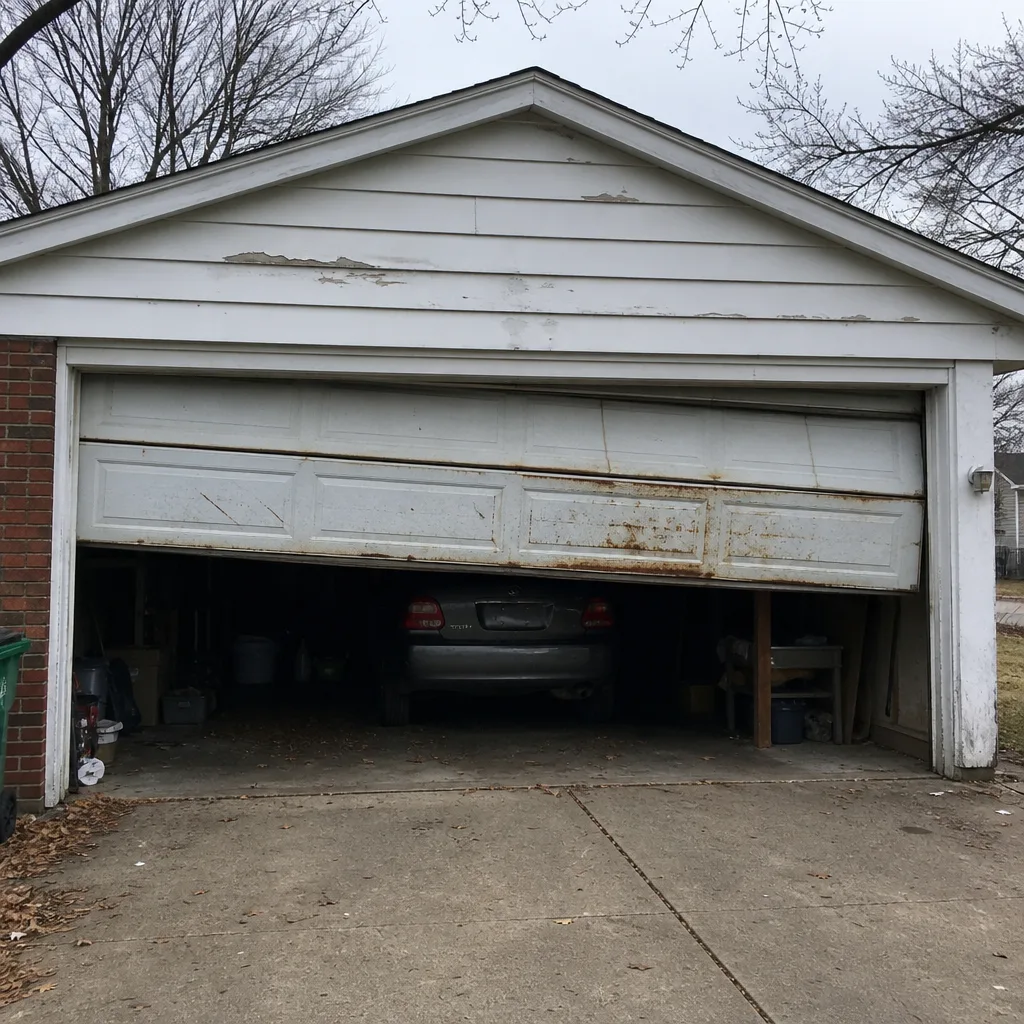 Before
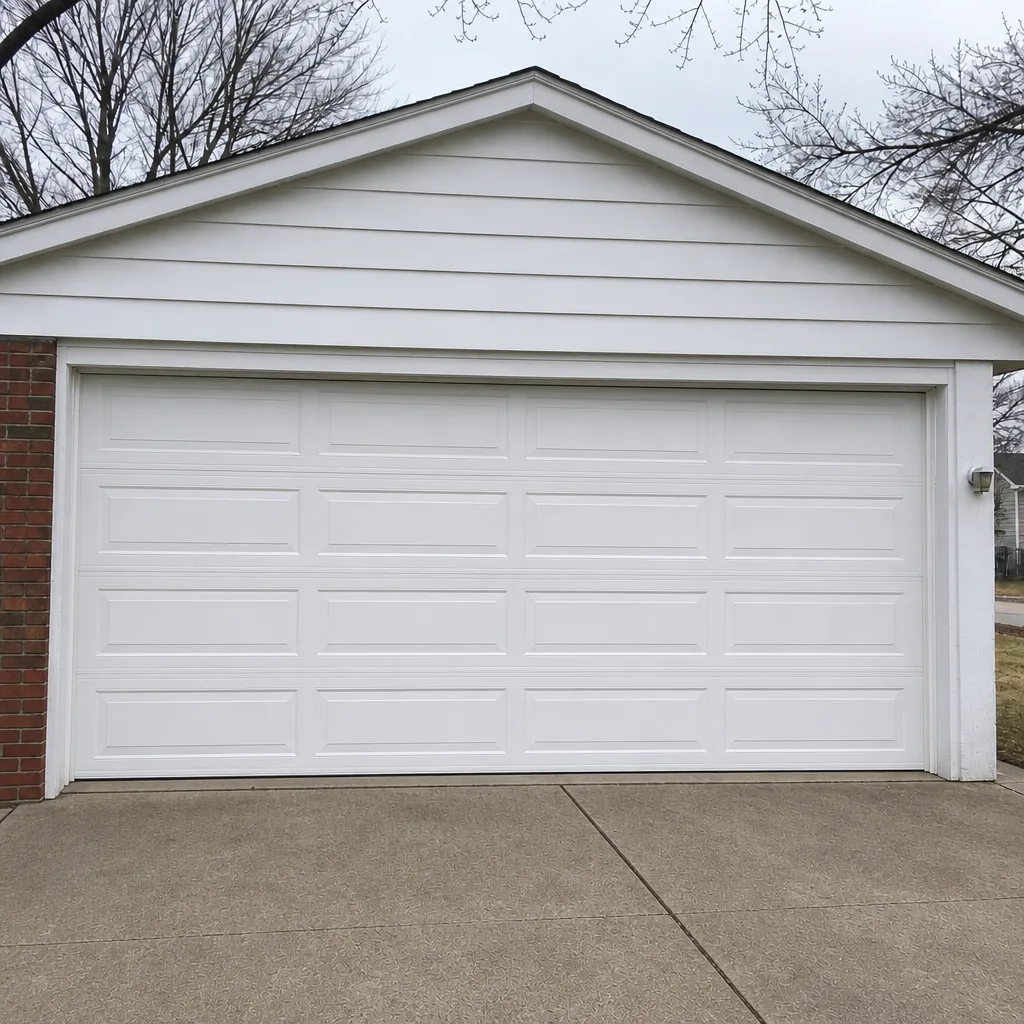 After
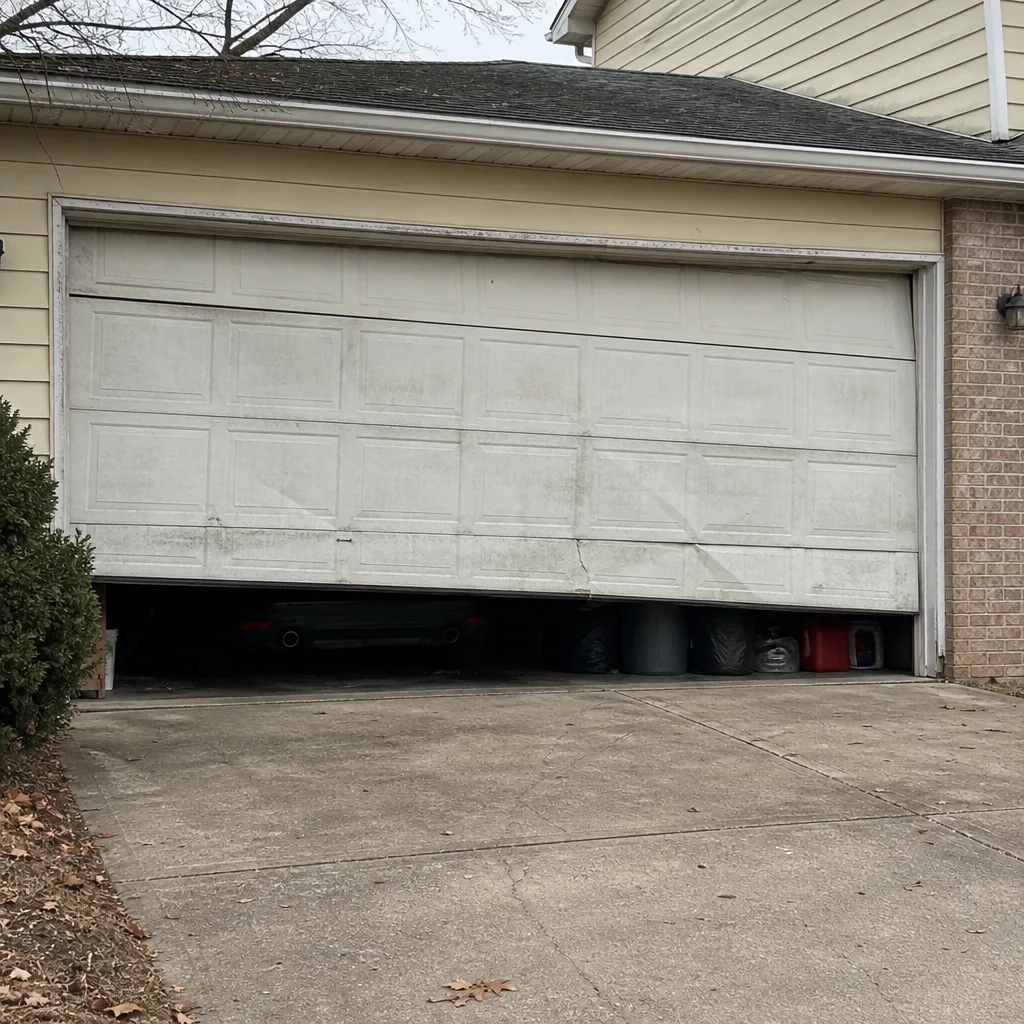 Before
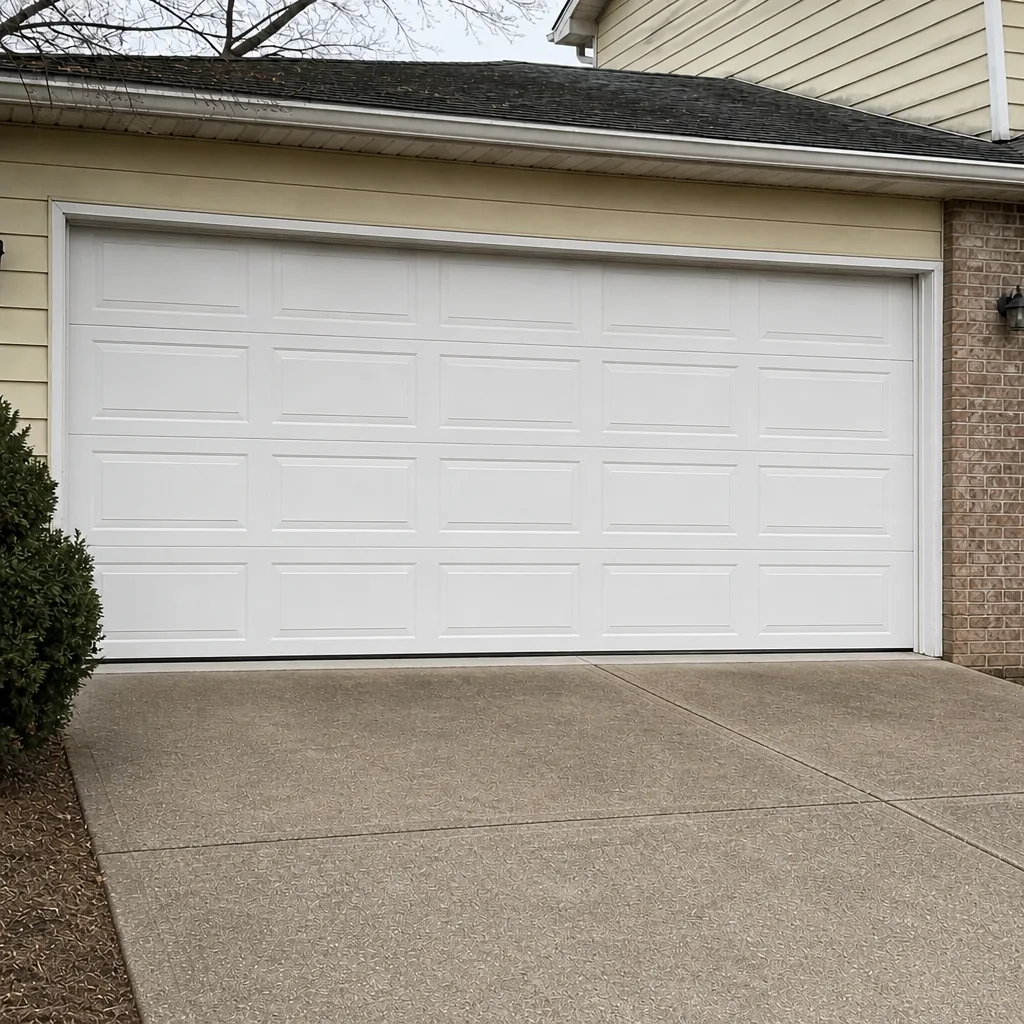 After
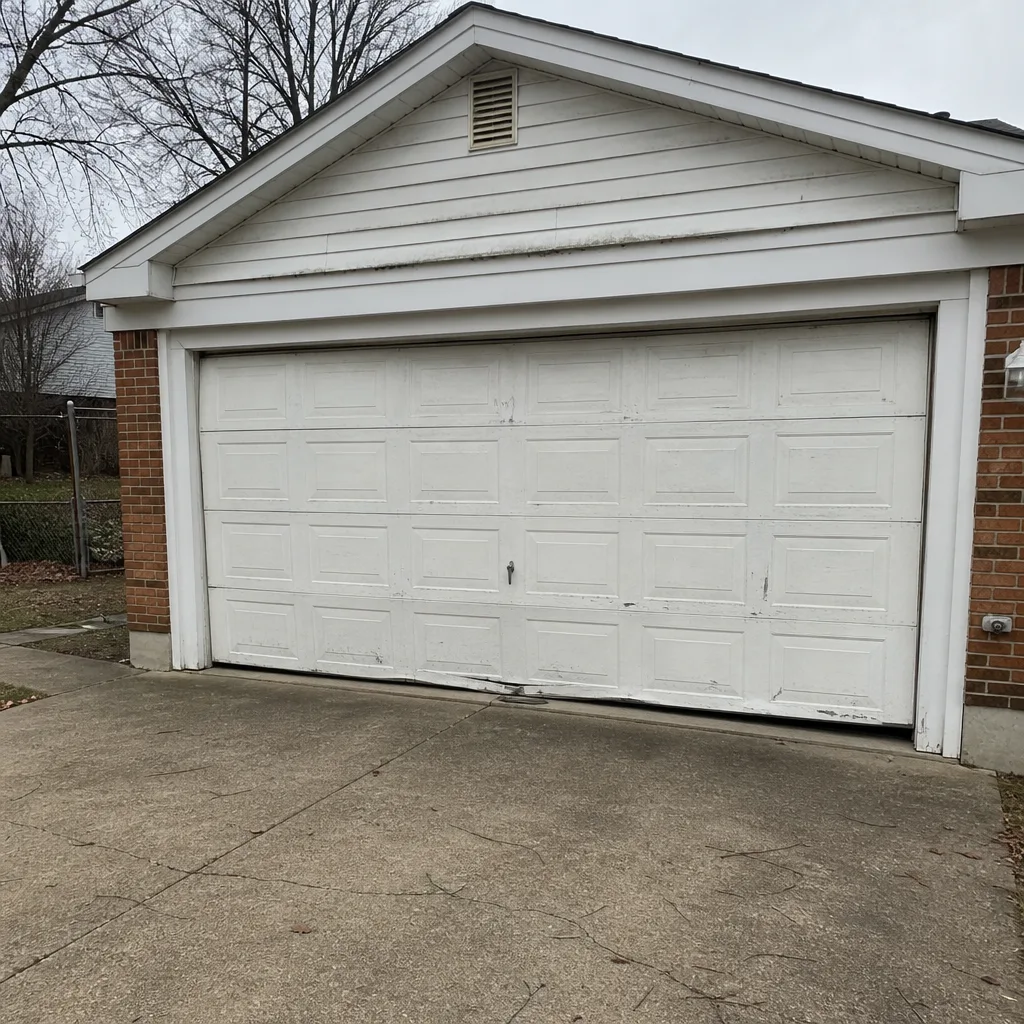 Before
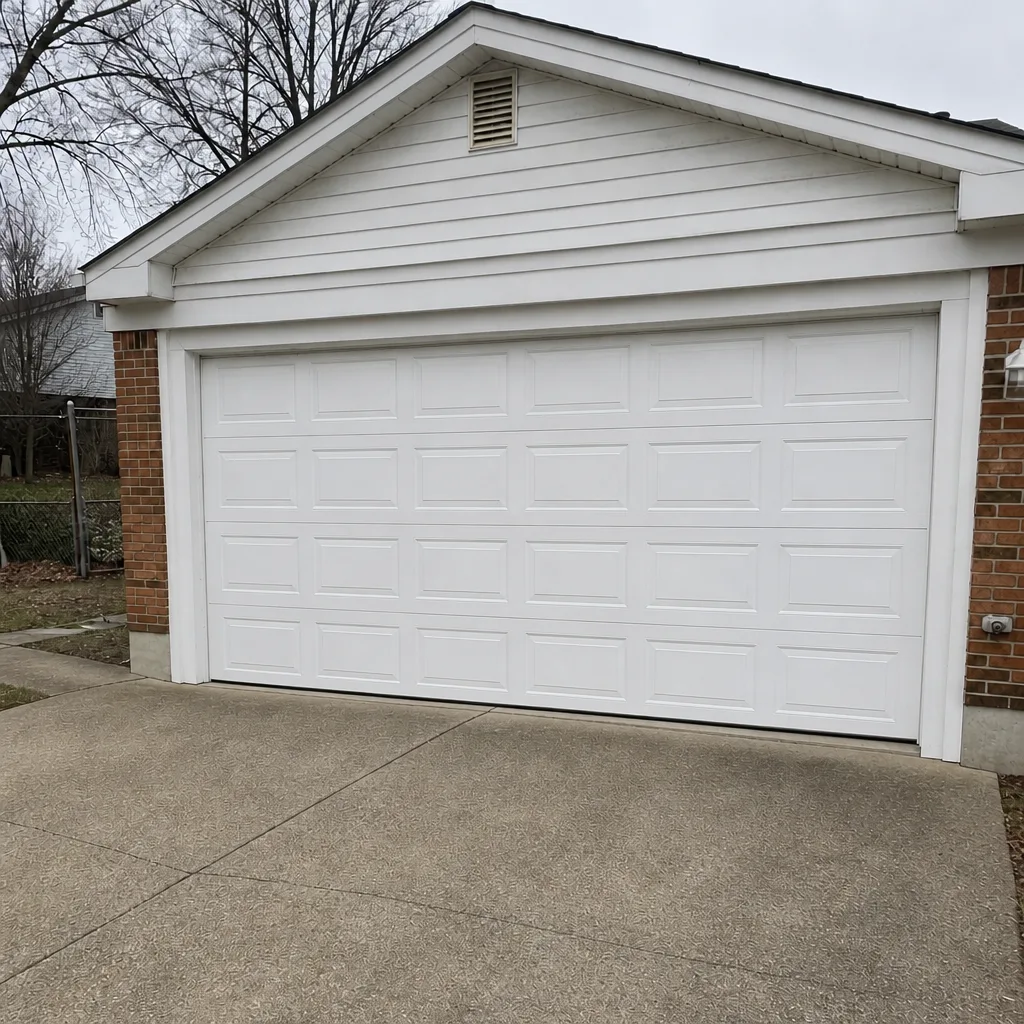 After
Frequently Asked Questions
Twice a year is the standard, timed to spring and fall. Florissant’s humid summers and freezing winters put a premium on fall lubrication before the cold sets in. Focus on hinges, roller stems, and spring coils, and skip the tracks.
You can check springs visually from the floor and use the balance test – pull the manual release, lift the door halfway, and see if it holds. Do not touch, adjust, or wind a spring yourself. A spring under load is dangerous, and a slipped winding rod can cause serious injury. If the balance test fails, call a technician for spring repair.
In our experience it’s dry or corroded hardware – roller stems, hinges, and bearings that haven’t been lubricated – more often than opener failure. Missouri humidity accelerates rust on the bottom half of the door, and a ten-minute lubrication every six months prevents most of it.
Almost always the remote or the logic board, not the motor. Start with a fresh battery and re-programming. If a wall control still works but remotes don’t, it’s the receiver or board, which a trained technician can diagnose. A Craftsman opener is worth repairing long before replacing.
Homeowner maintenance like lubrication, seal replacement, and safety testing does not void a warranty. Adjusting spring tension, modifying panels, or replacing cables yourself can. Follow the manual and leave the high-tension work to a trained technician.
If the balance test fails, if a spring shows a gap, if a cable is frayed, or if the door comes off track, that’s a professional call. Routine lubrication, seal replacement, and sensor testing are yours to handle. When in doubt, call (844) 745-3717 for a free estimate and a straight answer on whether the work is DIY or not.
The Bottom Line
Most garage door breakdowns we see in Florissant start with a maintenance gap, not a bad part. A ten-minute monthly visual check, a twenty-minute lubrication and balance test twice a year, and a thirty-minute annual inspection of cables, springs, and opener settings catch the vast majority of small problems before they become expensive ones. Springs and cables are inspect-only for homeowners – leave the high-tension work to a trained technician. Skip the tracks when you lubricate, replace weather seals before winter, and keep your manuals. If the balance test fails or a spring shows a gap, that’s a professional call.
If your checklist turns up a problem, or you’d just rather have a trained eye look things over, that’s what we’re here for. From Florissant Garage Door Repair Pros to same-day repair and full installation, we work on the door and opener you already have – LiftMaster, Chamberlain, Genie, Clopay, Amarr, Wayne Dalton, Craftsman, and Raynor – and we don’t pitch a replacement when a repair will do. Our technicians have up to 12 years of experience, we answer 24/7, and dispatch is fast from 7am to 7pm, Sunday through Friday. Call (844) 745-3717 for a free estimate.
Written by the team at Florissant Garage Door Repair Pros.