
Last updated November 22, 2026
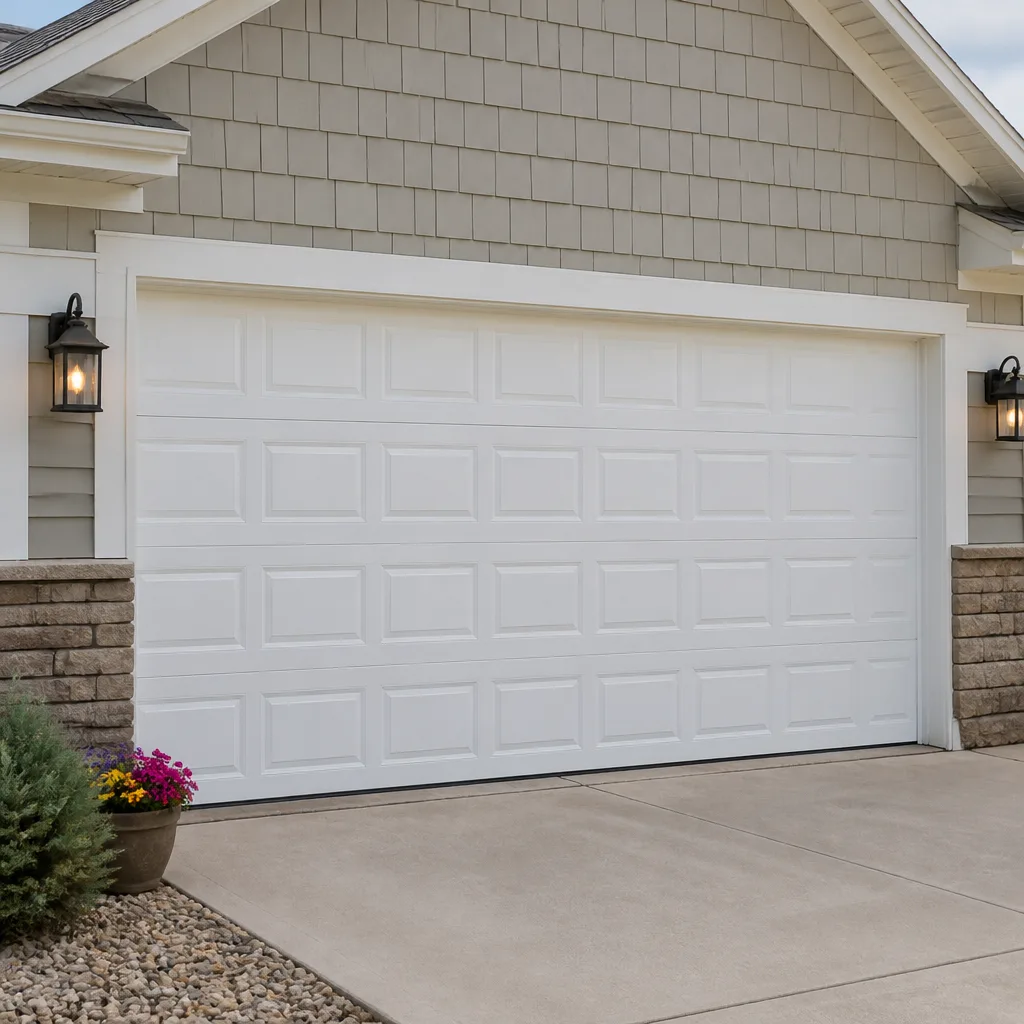 Raised-panel steel
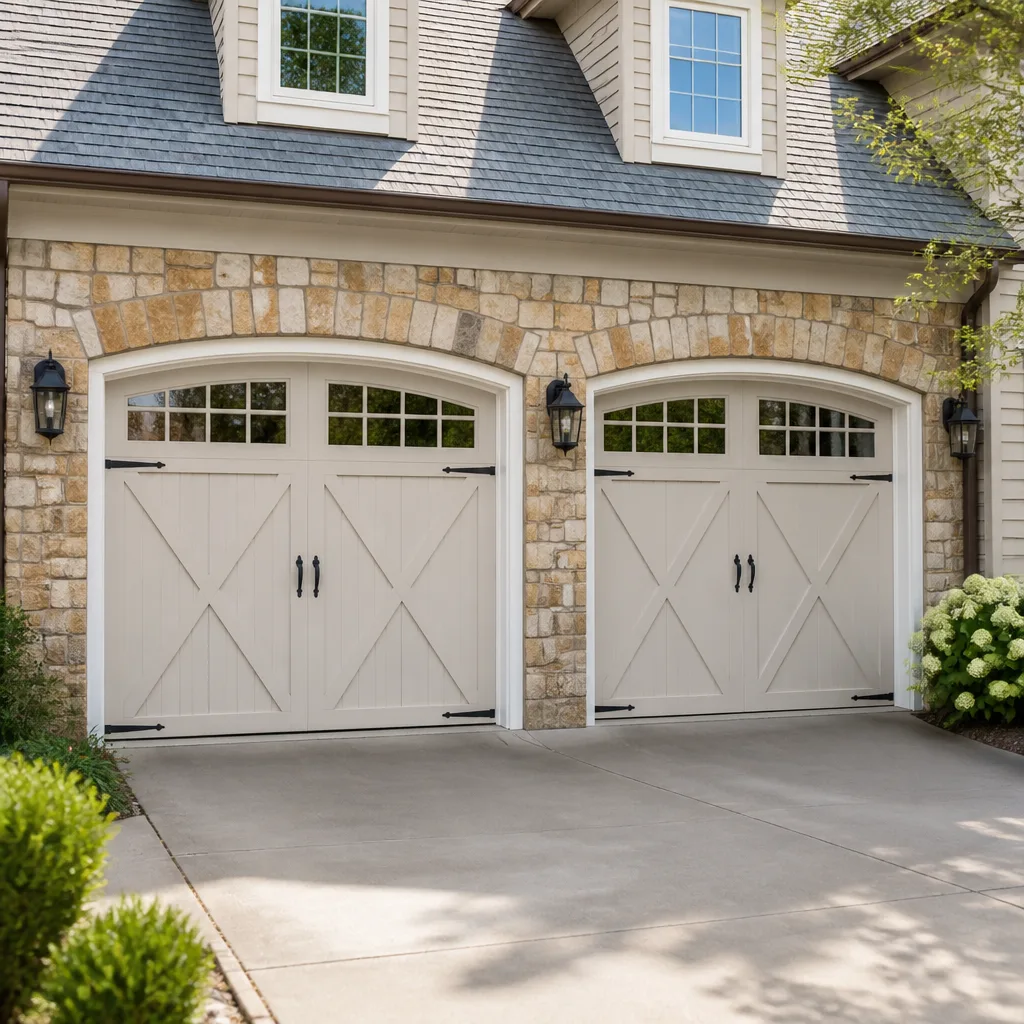 Carriage house
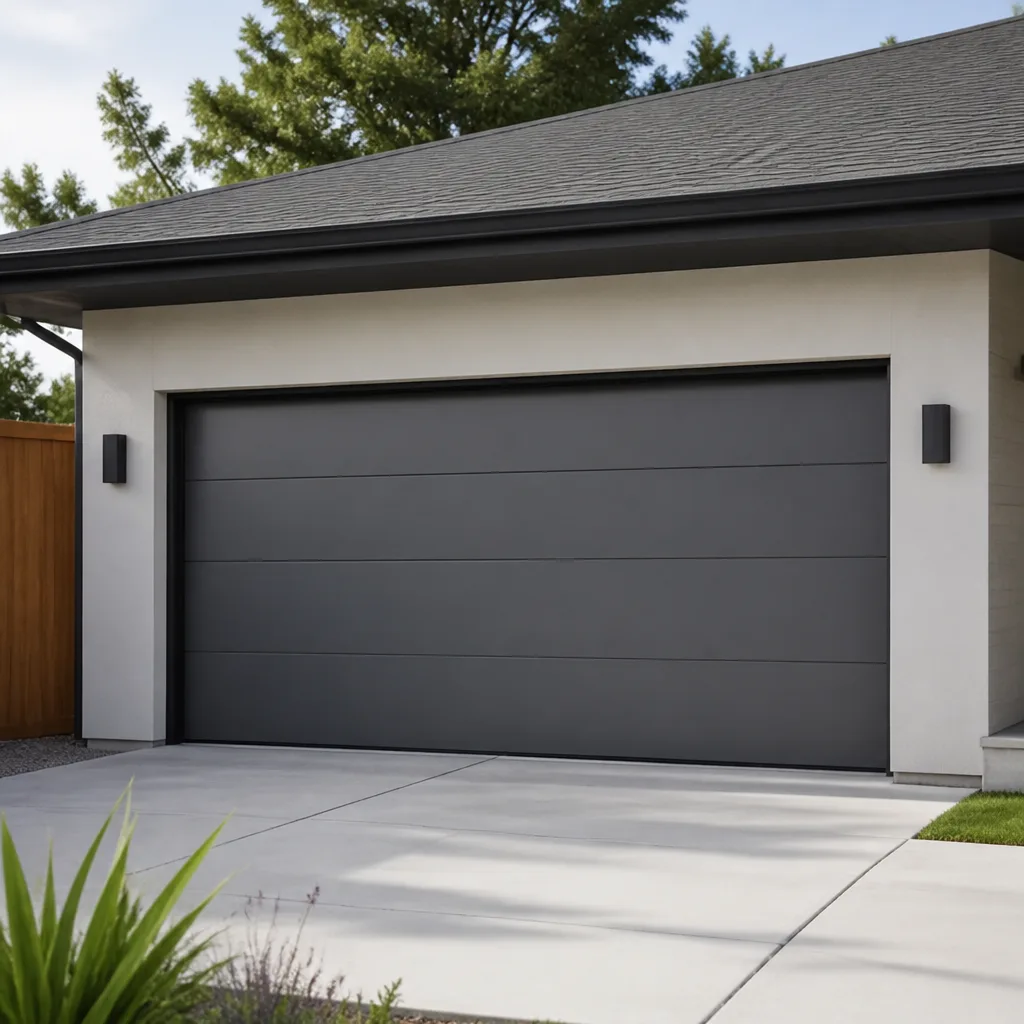 Modern flush
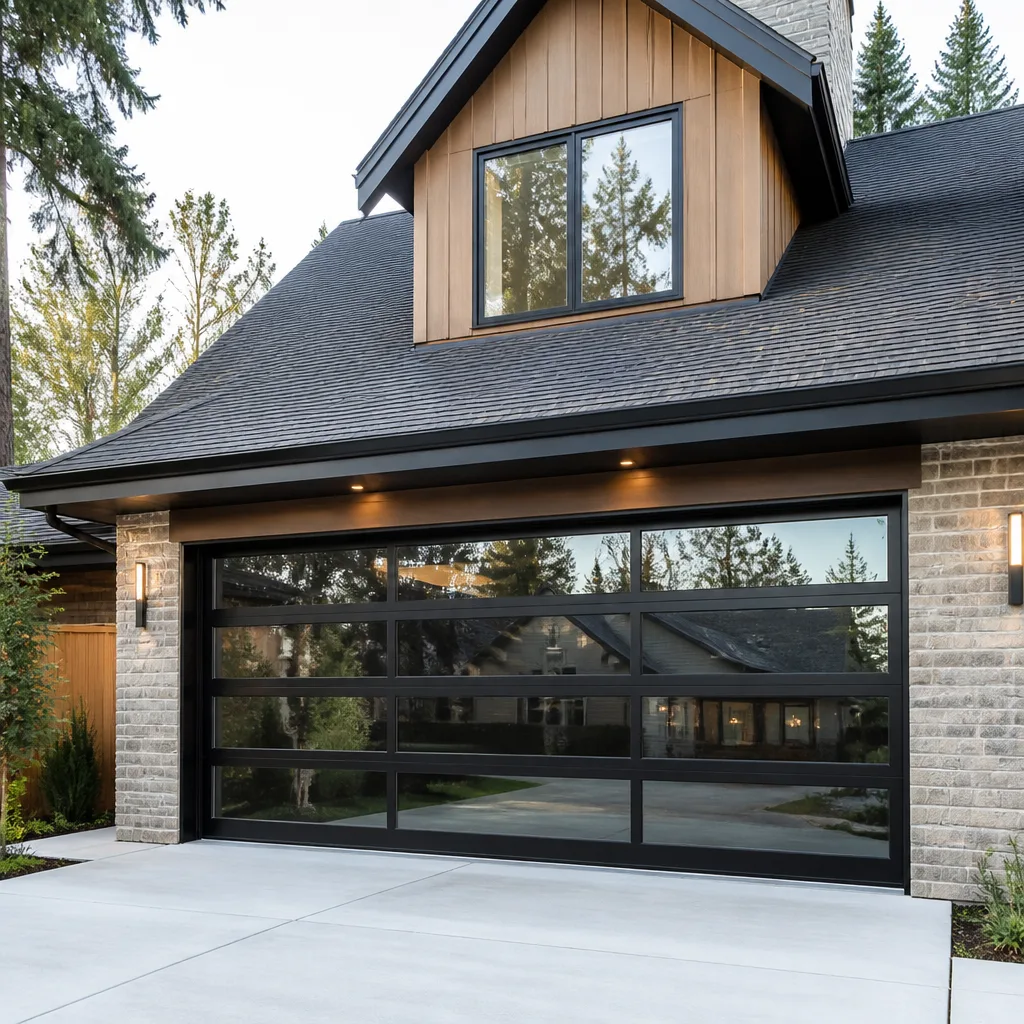 Full-view glass
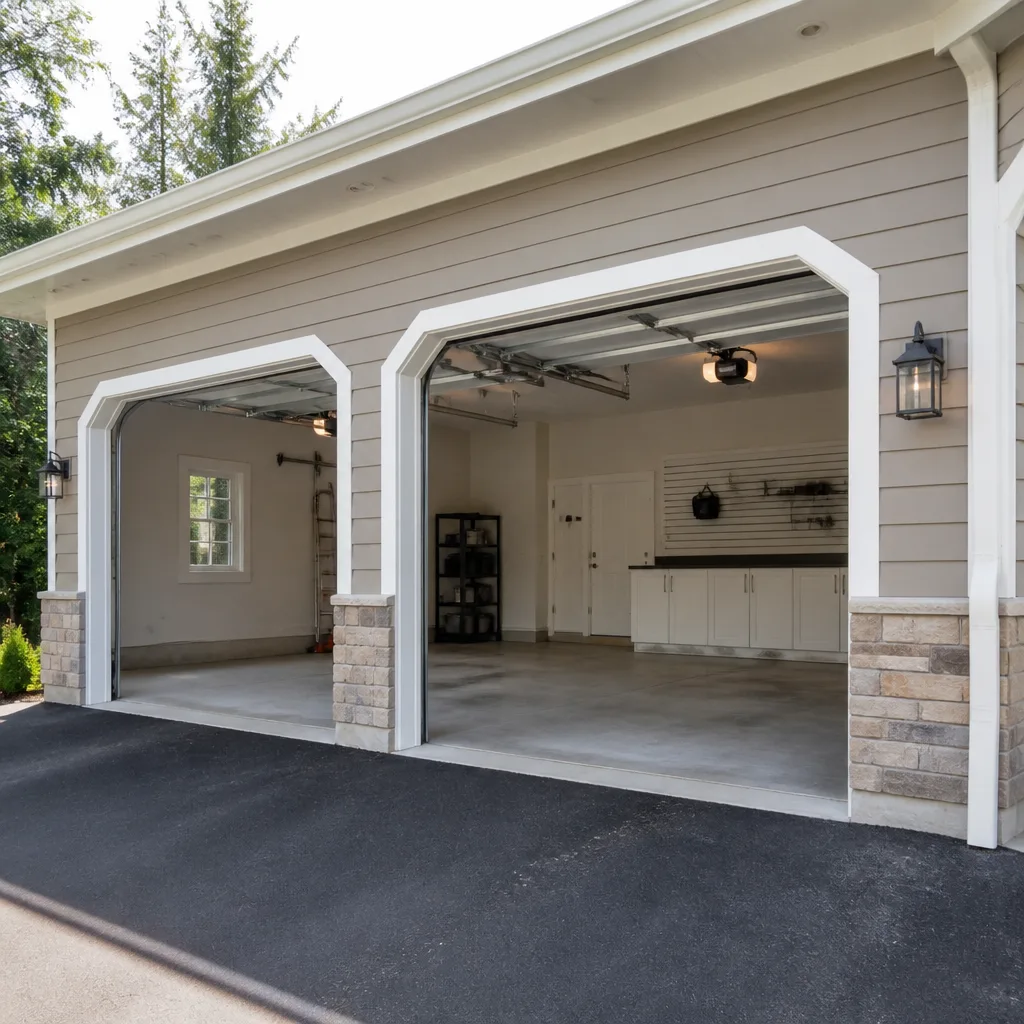 LiftMaster openers
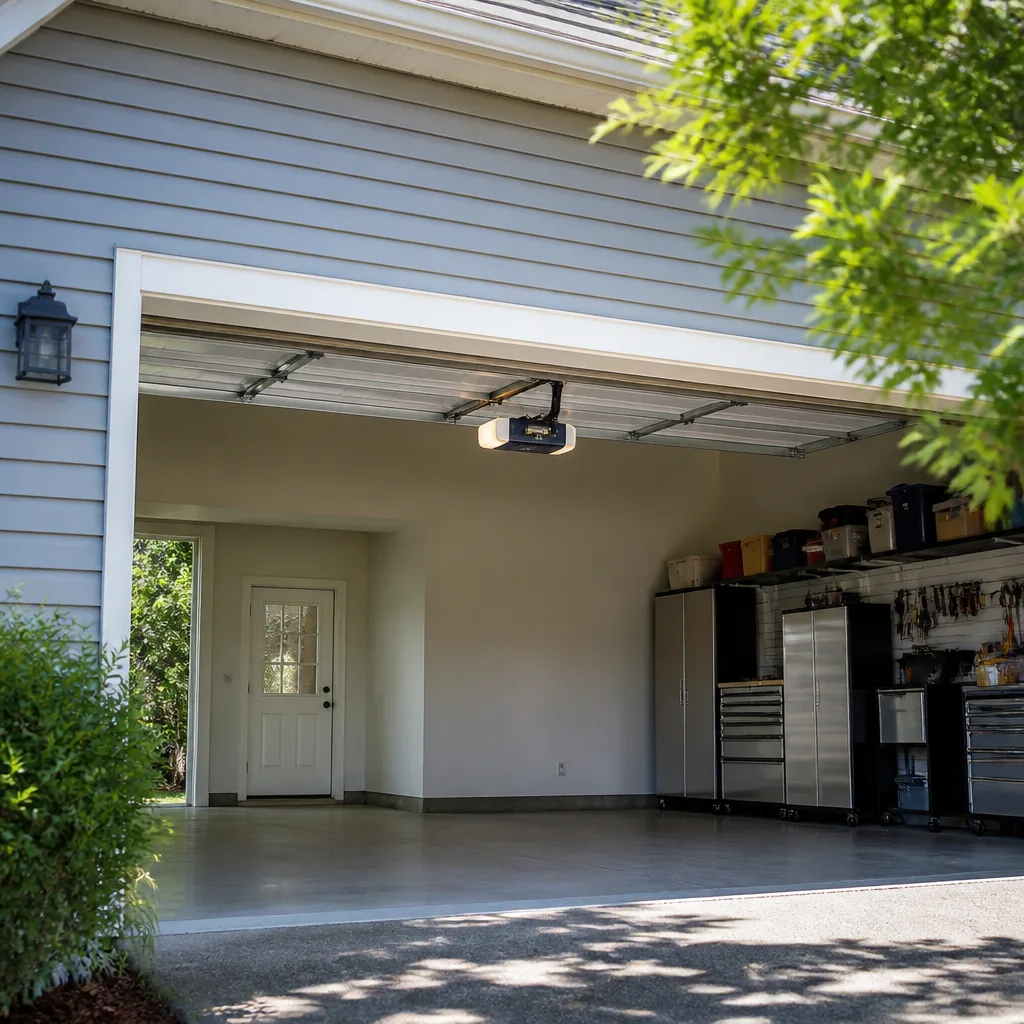 Chamberlain openers
Full 25-point door and opener safety check with every visit - springs, cables, rollers, tracks, and your LiftMaster or Chamberlain opener included
You get a price before we start. It does not change when the pro arrives.
Get your free estimateGarage Door Permits, Codes & Inspections in Florissant, MO: What You Need to Know
Homeowners usually assume a garage door replacement is a simple swap, the kind of thing nobody bothers to permit. That assumption is where trouble starts. In Florissant, and across St. Louis County, certain garage door projects are treated as structural work on the building envelope, and a permit is required. The problem rarely shows up while you’re working. It shows up years later, during a home inspection, when a buyer’s inspector flags the garage opening as an unpermitted alteration and your closing date is suddenly in question. This guide walks through which projects need a permit, how to check on work a previous owner did, what Missouri code requires for wind load and fire separation, how the inspection process runs in St. Louis County, and what to do if you find a gap.
Quick Answer
In Florissant and the rest of St. Louis County, replacing a garage door in an existing opening with a same-size door usually does not require a permit, but changing the opening itself does: widening it, raising the header, converting the space, or replacing the door with something that alters the structural framing. Wind-load and fire-separation requirements apply to attached garages, and the safest answer before any project is a phone call to the City of Florissant building department or St. Louis County. If the work was already done by a previous owner, a permit search through the county will tell you whether it was inspected and signed off.
Styles & brands we work with
- Raised-panel steel
- Carriage house
- Modern flush
- Full-view glass
- LiftMaster openers
- Chamberlain openers
Table of Contents
- Which garage door projects need a permit in Florissant?
- Which garage door projects genuinely don’t need a permit?
- How do you check permit status on work a previous owner did?
- Wind load and fire separation: Missouri code requirements that shape door choice
- What does the inspection process look like in St. Louis County?
- How unpermitted garage work affects homeowner’s insurance
- What to do if you discover a permit gap
- What makes garage doors in Florissant different
Which garage door projects need a permit in Florissant?
A permit is required when the garage door project changes the building structure or its opening. Simply hanging a new door of the same dimensions in the same frame generally is not. The line sits at what the project does to the opening and the wall around it. Here is how we break it down for homeowners in Florissant:
- Widening or heightening the opening. Cutting into a header, moving a jamb, or raising the wall above a garage door frame is structural. This is permit territory in St. Louis County.
- Converting the garage to living space. Turning an attached garage into a bedroom, office, or family room changes how the home is classified and triggers code review for insulation, egress, and fire separation.
- Replacing a single door with a double door, or the reverse. The opening dimensions change, which means the framing changes, which usually requires a permit.
- Adding a garage where none existed. A brand-new structure on the property needs a building permit from the City of Florissant.
- Changing the door type in ways that alter the header load. A heavier door, such as a solid wood carriage-style door or an insulated steel door with much higher weight, may require the framing be checked against the intended load.
Florissant is a city with its own building department, so the first stop for permit questions is the city office, not the county. St. Louis County handles unincorporated areas and certain reviews, and the two coordinate on most residential work. When you contact them, describe the project with specifics: opening size, door weight, whether any framing is being touched. That gets a clear answer instead of a shrug. If you’re not sure whether you’re inside Florissant city limits or unincorporated county, a quick look at your property tax bill settles it, and that determines which office to call.
Older housing stock across Florissant, especially the mid-century neighborhoods, tends to have garages built to dimensions that don’t match modern door sizes. A 1950s single-car opening might be a couple of inches off from what any manufacturer stocks today. That mismatch is exactly the situation where a “simple replacement” quietly becomes a modification. Our technicians run into this often enough that we flag it during every estimate before a door is ordered. If the existing opening needs modification to fit a standard door, we tell you the permit conversation is coming before we place the order. Our garage door repair service is a good place to start when the existing opening is fine and only the door or hardware is failing.
Which garage door projects genuinely don’t need a permit?
Routine repair and like-for-like replacement typically do not trip the permitting requirement in Florissant. Replacing a torsion spring, replacing a broken opener, swapping a damaged panel of the same size, or installing a new door in an existing opening of the same dimensions falls into the routine maintenance bucket. Here is the working list we use:
- Spring and cable replacement. No structural change, no permit.
- Opener repair or replacement. The opener is an appliance hung from the ceiling, not part of the building envelope. Replacing it doesn’t touch structure.
- Panel replacement on a sectional door. Same-size panel, same opening, no permit.
- Like-for-like door replacement. Same dimensions, same track configuration, no framing change.
- Routine maintenance. Roller replacement, lubrication, alignment, safety sensor adjustment.
Two caveats matter here. First, a door replacement can still trigger permit review if the door’s weight or wind-load rating differs materially from the original in a way the inspector wants to see. That’s rare in a same-size replacement, but a heavier door is the case to raise before you buy. Second, when a homeowner replaces a door on an attached garage, the fire-separation requirements apply to the wall between the garage and the house, and if any part of that wall is being touched, the scope widens. Nobody wants to be the homeowner who pulls a panel and discovers the wall behind it wasn’t built to current code. A quiet check before work starts saves a lot of grief.
For Florissant homeowners who want a door replaced without the permit process, the practical path is to stay inside the existing opening. When that’s what you’re after, our garage door repair approach is to fix what’s failing rather than rebuild what isn’t. A door repair that keeps the current opening intact almost always avoids the permit question entirely. If the frame is sound and the opening dimensions are standard, we can usually get a homeowner into a new door without ever touching the permitting question.
How do you check permit status on work a previous owner did?
Before listing a Florissant home for sale, a homeowner should run a permit search on their own property. If a previous owner replaced the garage door, added a garage, or converted that space, the permit history tells you whether the work was inspected. The steps are straightforward:
- Find out which jurisdiction your property sits in. Florissant city versus unincorporated St. Louis County determines which office to contact. Your property tax statement shows the jurisdiction.
- Contact the city or county building department. Ask for the permit history for your address. They’ll pull the record and tell you what permits were issued and whether they were closed out.
- Request copies of closed permits. A closed permit means the work was inspected and signed off. The documentation is useful when you sell.
- Look for red flags. Permits issued but never finaled, or garage work with no permit whatsoever, are the two common problems. Either one deserves attention before a home inspector finds it.
- Check your own records if you had work done. If a contractor did the work and told you the permit was pulled, confirm with the city that it was. A verbal assurance isn’t a record.
The worst moment to discover a permit gap is during a home inspection, when a buyer’s inspector notes the alteration and the sale process stalls. We hear about this most often in the older Florissant neighborhoods where a garage door was replaced at some point and never documented. It doesn’t matter that the door is working fine. What matters is that the buyer and their lender see an unpermitted alteration and want it resolved.
If you’ve lived in the home for years and can’t remember what was or wasn’t permitted, run the search anyway. It’s a small inconvenience now, and it beats an awkward conversation with a buyer later. If you’re getting ready to list, this is one of the two or three projects we recommend clearing off your list first, alongside a working opener and functioning safety sensors. Call (844) 745-3717 if you want us to come out and take a look at the door before you list, and we’ll tell you what’s worth fixing and what isn’t.
Wind load and fire separation: Missouri code requirements that shape door choice
Two code concerns dominate garage door permitting in Missouri, and both affect which door you can legally install on a Florissant home. The first is wind load. Missouri sits in a region where wind speeds can matter to the structural performance of the building envelope, and a garage door is the largest opening in most residential walls. Doors are rated for design wind pressure, and the rating has to be appropriate for the location of the home and the exposure of the wall. A door with an insufficient wind rating on an exposed wall can fail in a high-wind event, which is why the door’s rating gets checked against the site.
The second is fire separation. When a garage is attached to the home, the wall and ceiling between them are required to resist fire for a set period so a fire in the garage has a chance to be contained before it reaches living space. This has consequences: openers, door tracks, and any penetrations through the garage ceiling have to respect that separation. A homeowner who replaces a garage door and then hangs a new opener in a way that punctures the fire-rated ceiling is creating a code concern the inspector will catch. The same applies to converting the garage to living space, which changes how the separation requirements apply.
For a Florissant homeowner choosing a new door, this often means looking at the manufacturer’s spec sheet for the wind rating, not just the color and window pattern. The major brands publish this information clearly. Amarr and Wayne Dalton both make residential doors with published wind-load ratings, and the local distributor knows which models suit a St. Louis County exposure. In our experience, the door that looks like a bargain sometimes lacks the wind rating, which is exactly the kind of thing an inspector flags after the door is already installed. When we order a door, we confirm the rating ahead of time so there’s no surprise during a permit inspection.
If you want the code requirements for your specific Florissant address, contact the city’s building department and ask. They can tell you the design wind speed for the location and whether your garage wall needs fire-rated construction. Don’t guess. The cost of finding out the wrong way is higher than the cost of a phone call. And if springs or cables fail while you’re deciding on a new door, that’s a separate safety issue; see our garage door spring repair page for how we handle that.
What does the inspection process look like in St. Louis County?
A garage door permit inspection runs quickly once it’s scheduled. In St. Louis County, residential inspections are usually scheduled within a short window after the request, and the inspector visits the site to confirm the work was done to the permitted scope. Here’s what gets checked on a garage door or garage-related permit:
- Door meets the permitted specifications. Size, wind rating, and manufacturer documentation.
- Header and framing match the permit drawings. Any structural work must be visible and stable.
- Fire separation intact if the wall was touched. Drywall or other rated assemblies in place.
- Safety features functioning. Reversing sensors and auto-reverse are commonly verified on new installations.
- Final sign-off. Once the work passes, the permit is closed and the record lives with the property.
The whole process usually runs from a few days to a couple of weeks, depending on schedule load and whether anything needs correction. It’s not a long process, and it shouldn’t slow a door project down much if the permit is pulled at the right time. The mistake that drags things out is doing the work before the permit, which forces the homeowner or the contractor to retroactively apply and may require opening up walls to show framing that wasn’t photographed.
In our experience, the inspection is routine when the permit was pulled properly and the work follows the plan. The complicated version happens when the permit was never obtained and the homeowner is now trying to close it out after the fact. That’s why we recommend that any Florissant homeowner planning structural garage work talk to the city before ordering materials. Our garage door opener repair service covers the electronic side, which almost never requires a permit, so if that’s your scope you can skip the permitting question entirely. For anything structural, call the city first, then call a contractor to do the work to spec.
How unpermitted garage work affects homeowner’s insurance
Homeowner’s insurance typically responds to a covered cause of loss: fire, windstorm, impact. Unpermitted work doesn’t automatically void a policy, but it can complicate a claim if the unpermitted work is part of what failed or if the insurer determines the loss arose from poor or unapproved construction. The practical concern is that a claim on an unpermitted alteration may face extra scrutiny, take longer to process, or result in a lower payout than the homeowner expected. Insurance adjusters look for permits because permits document that the work was reviewed against code.
For Florida-bound readers this bears repeating even though Florissant is inland: the insurance conversation isn’t about coastal weather, it’s about documentation. An insurer wants to see that the garage door installation was done by someone qualified and followed the manufacturer’s spec. If the door was homeowner-installed with no permit and no paperwork, that’s the scenario an adjuster will question. Same for a converted garage being used as living space. If a fire starts in a converted garage and the policy was written for a house with a garage, the insurer will ask why the use of the space was never updated on the policy. That gap can lead to denied or reduced coverage on a claim that would otherwise be routine.
The fix is to clean up the record. If you own a Florissant home with unpermitted garage work, call your insurance agent and ask whether the current policy reflects the actual state of the property. If it doesn’t, the conversation is better had now than during a claim. If the work was done to code but never permitted, a retroactive permit may be possible. If it wasn’t done to code, the work may need to be redone, and that’s a scope conversation with a licensed contractor. We can assess the garage door and operating system on your Florissant home and tell you what we see. What we can’t do is decide what your insurer will pay; that’s between you and your agent.
What to do if you discover a permit gap
Discovering unpermitted garage work on your own home doesn’t have to be a crisis. It’s a situation with a clear set of steps, and most of the time it’s resolvable without significant drama. Here’s the order we recommend:
- Get the facts. Contact the city or county building department and ask what permits are on record for your address. Find out exactly what’s missing.
- Assess the work. Have a licensed contractor look at the garage door and the framing. Is the door the rated type for your location? Is the fire separation intact? Is the spring system safe?
- Ask about a retroactive permit. Many jurisdictions allow a homeowner to apply for a permit on completed work if the construction can be inspected. The process is slower than a pre-pulled permit but works for straightforward projects.
- Correct anything not to code. If the door isn’t rated for the site or the fire separation is compromised, the fix may involve new material. That’s the real cost of an unpermitted job.
- Notify your insurance agent. Get the corrected work onto the policy record.
- Keep the paperwork. Once the permit is closed, hold onto the documentation. It matters when you sell.
The biggest mistake we see is homeowners trying to handle this quietly. The record improves with a permit, not without one. A small, honest correction now is easier than a rollback during a sale. Florissant has a lot of older homes where garage doors have been replaced three or four times by different owners. Most of those replacements are fine. The permit record simply got lost somewhere. If you’re not sure where you stand, call the city and find out. It’s a ten-minute conversation.
What makes garage doors in Florissant different
Garage doors in Florissant live through four distinct seasons, and the swing between a humid summer and a cold winter puts real wear on springs, cables, and opener gears. Torsion springs wound for one temperature range don’t behave the same way in extreme cold, and that’s part of why spring failures cluster around the first hard freeze each year. Rolling doors are also uncommon here; most Florissant garages use sectional doors with torsion or extension springs, which means most of the repairs we do are on the same basic system.
The housing stock matters too. Neighborhoods around Old Town Florissant and the mid-century streets off Lindbergh tend to have garages built to dimensions that predate today’s standards. A replacement door that fits a modern opening may not fit a 1950s opening without modification, and that modification is exactly where the permit question lives. Newer homes are less likely to hit this, but the door still has to meet wind and fire requirements, and the installer should be able to show the spec sheet.
If you’re in Florissant and thinking about a new door, the right first step is a site visit. We look at the opening, the framing, the header, the wall between the garage and house, and the existing spring setup. We tell you whether the project is a simple replacement or whether it’s going to need a permit. That’s what years of doing this work in Missouri have taught us: the answer is almost always clearer once someone has actually stood in the garage and looked. Our technicians have up to 12 years of experience with LiftMaster, Chamberlain, Genie, Clopay, Amarr, Wayne Dalton, Craftsman, and Raynor doors, and we work on the door you already have. For a free estimate on a Florissant project, call Florissant Garage Door Repair Pros at (844) 745-3717. We answer 24/7. Fast dispatch from 7am to 7pm, Sunday through Friday.
Common Mistakes to Avoid
- Assuming “same size” means “no permit.” Usually it does, but a heavier door or one with a different wind rating can trip the requirement. Confirm before you order.
- Replacing the opening without checking the header. Cutting into the header of a Florissant mid-century garage is structural work, and the permit question is unavoidable once you do.
- Trusting a contractor’s verbal “we pulled the permit.” Verify with the city before the work starts. Verbal assurances are worthless when the permit record is blank.
- Hanging a new opener without checking the fire-rated ceiling. Penetrating the separation assembly on an attached garage creates a code concern the inspector will catch.
- Skipping a permit search before listing the home. A buyer’s inspector will find it. Find it first so you can fix it on your timeline, not theirs.
- Assuming the door is covered by homeowner’s insurance without paperwork. An unpermitted door may complicate a claim. Get the record clean before the claim.
- Installing a bargain door without the local wind rating. The cheapest door isn’t always rated for the site, and the spec sheet is the only proof that matters during an inspection.
See the difference
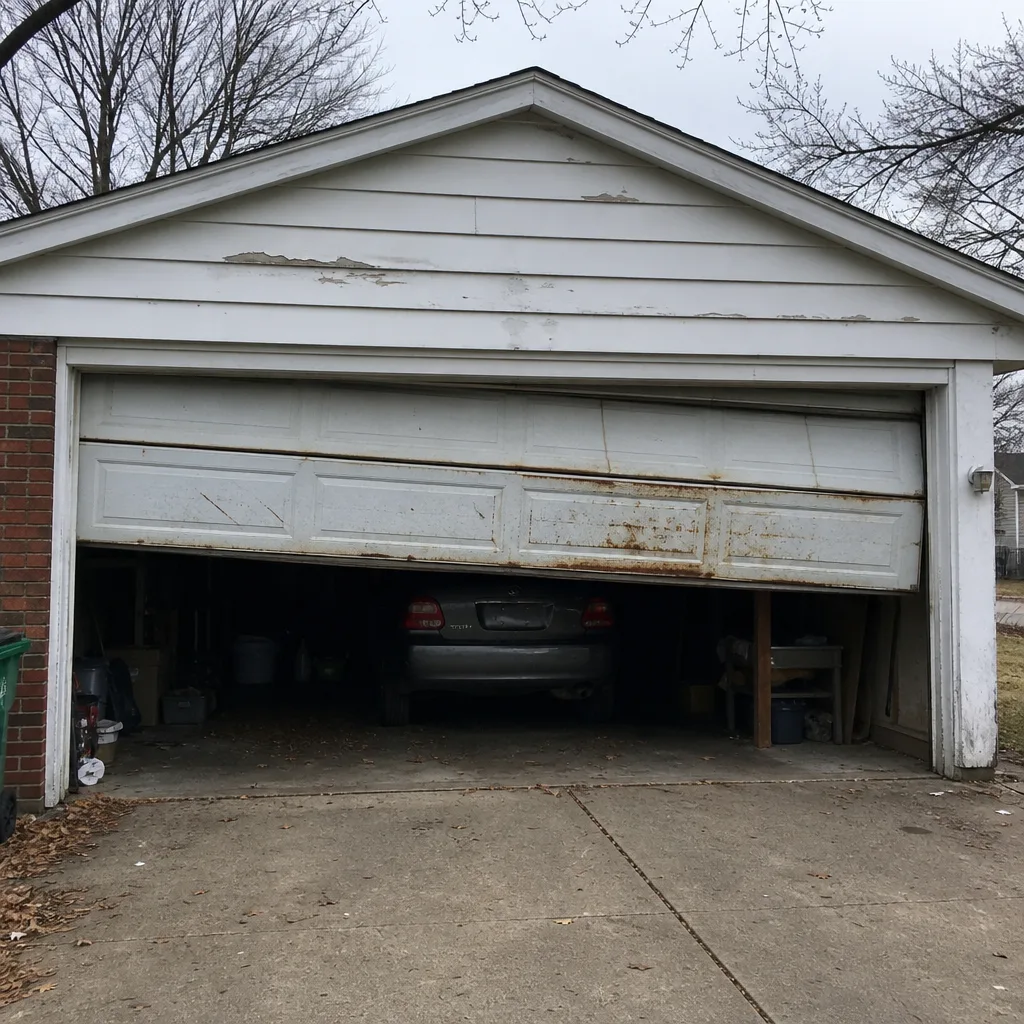 Before
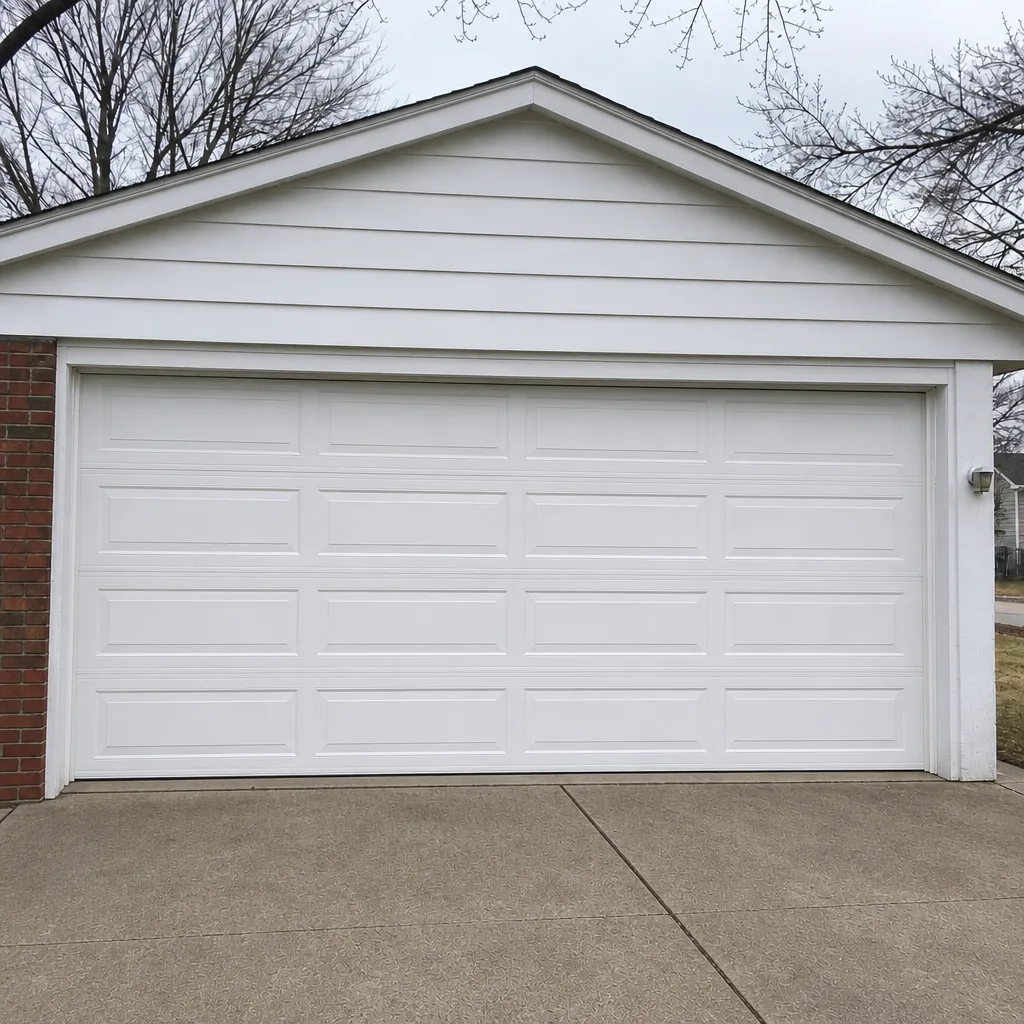 After
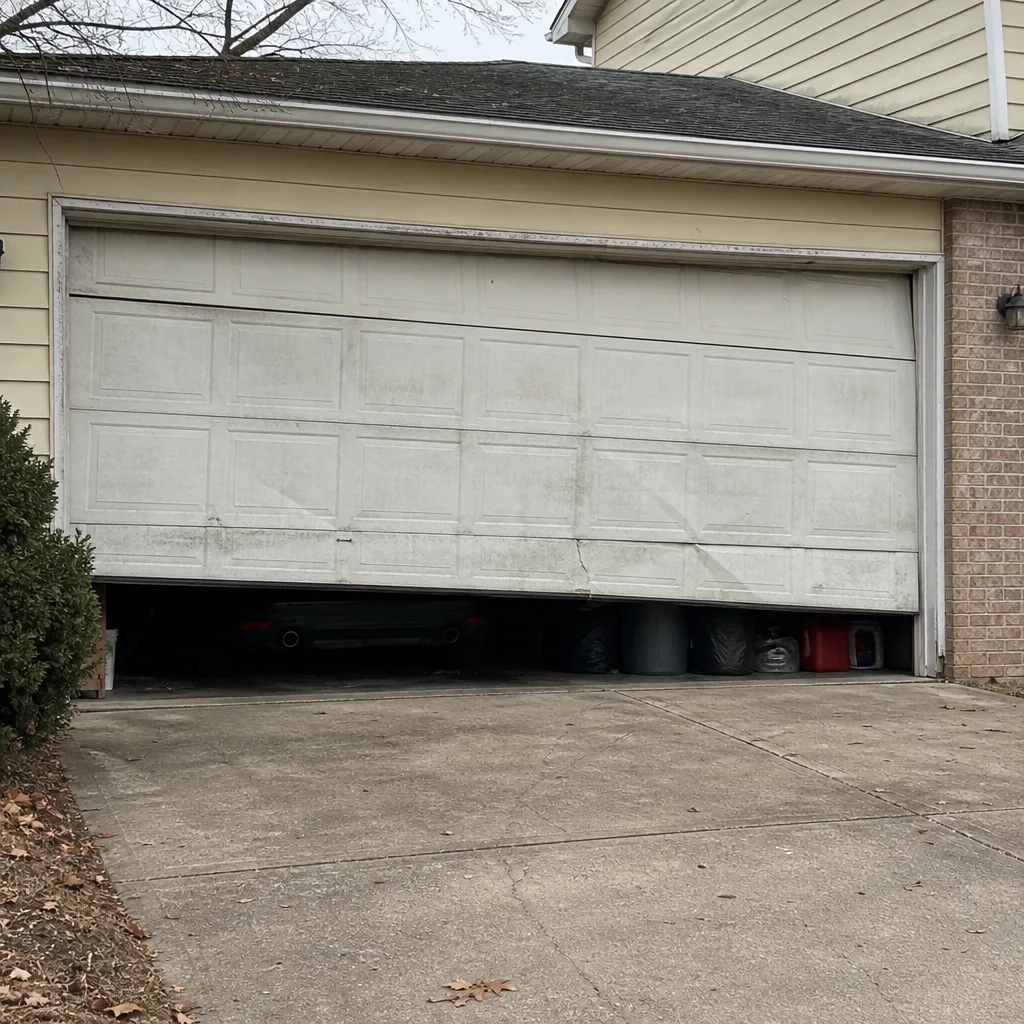 Before
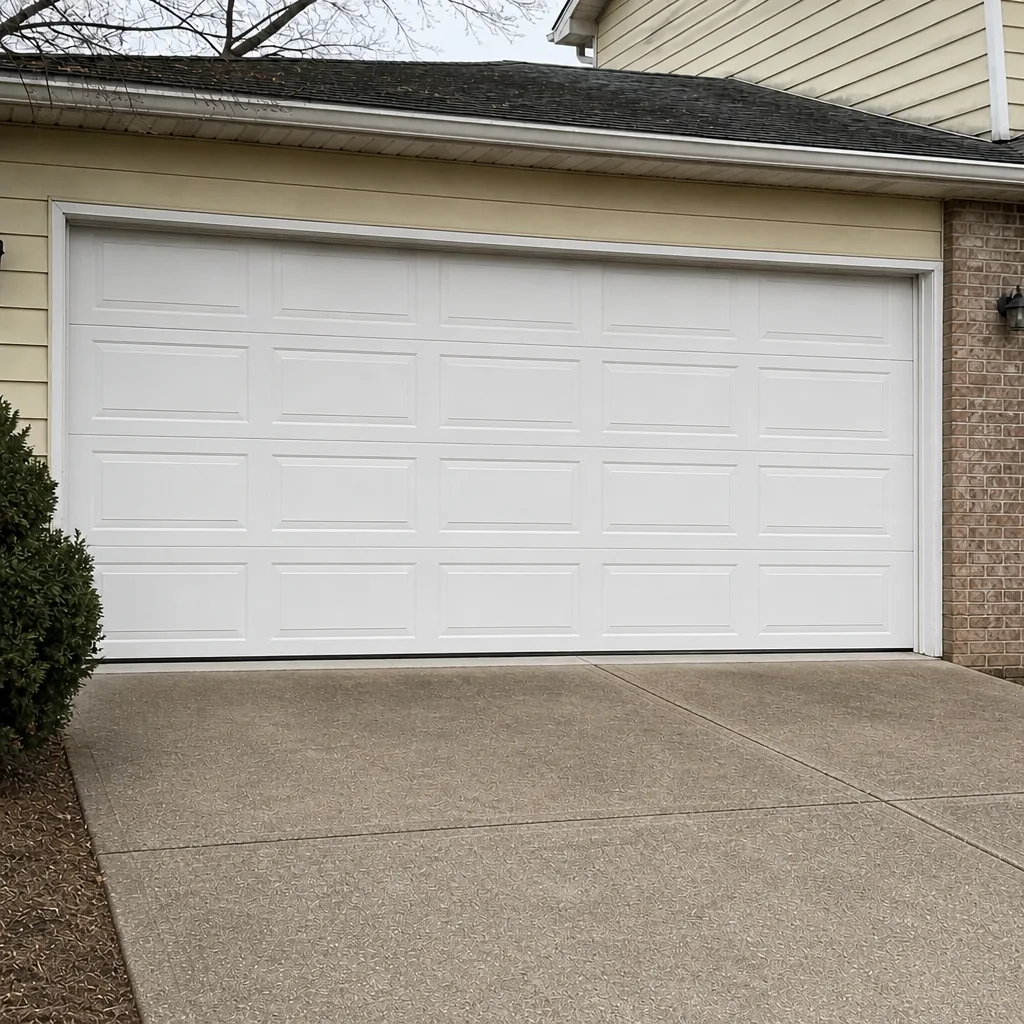 After
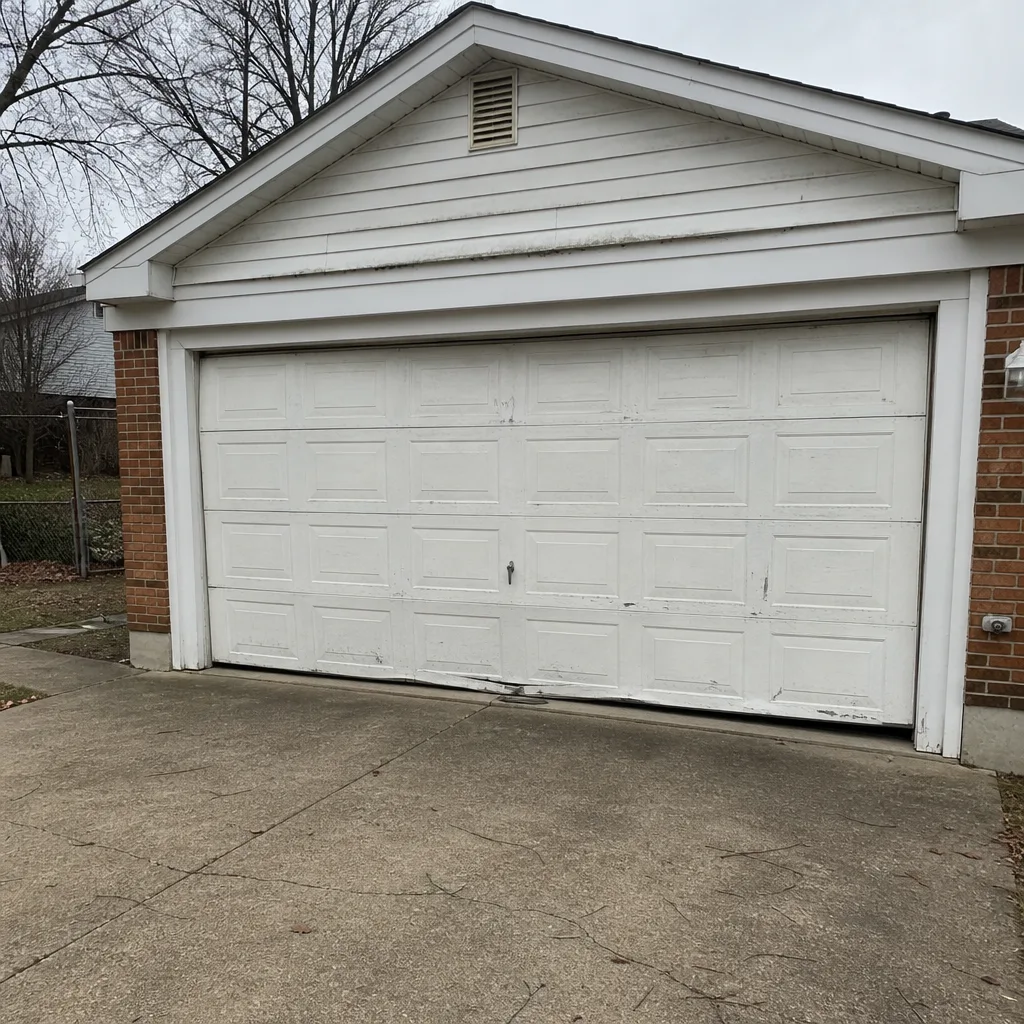 Before
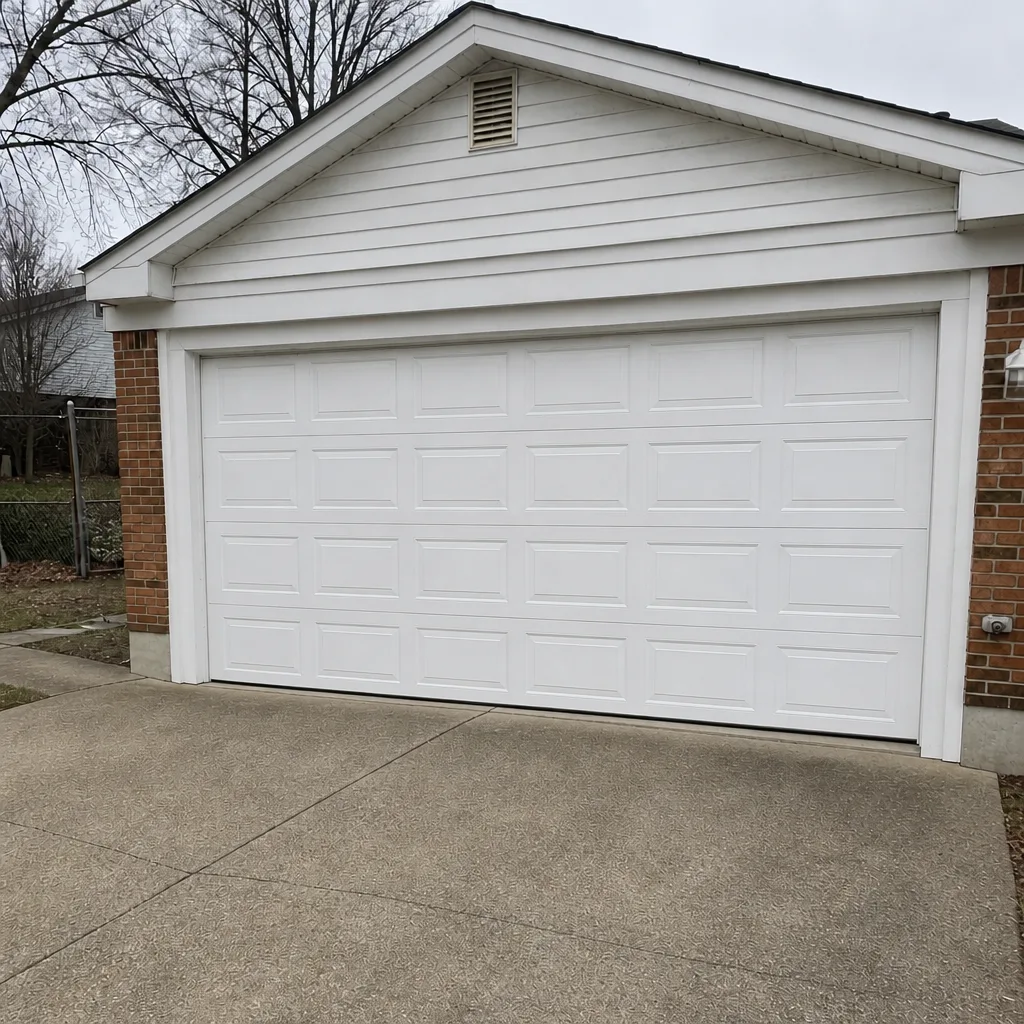 After
When to Call a Professional
Call a professional when the question involves structure, springs, or anything that’s failing under tension. If your garage opening needs modification for a new door, if a spring has snapped, if the door is out of square and dragging, or if you’re trying to close on a home and the inspector flagged the garage, that’s a professional call. Florissant Garage Door Repair Pros offers free estimates in Florissant; call (844) 745-3717. We answer 24/7. Fast dispatch from 7am to 7pm, Sunday through Friday. Our services include repair, opener repair, spring repair, and full new-door installation, and we handle every project with the same honesty: if a repair will do, we say so, and if the door needs replacing, we tell you what the permit situation looks like before you commit.
Frequently Asked Questions
Not usually, if the new door is the same size and fits the existing opening without any framing change. A permit is required when the opening is being modified, when the door’s wind rating differs materially from the original, or when the scope includes structural work on the garage. Call the City of Florissant building department to confirm for your specific address. For an exact quote on a replacement that stays within the existing opening, call (844) 745-3717; estimates are free.
Contact the City of Florissant building department or St. Louis County, depending on your address, and ask for the permit history on the property. They’ll tell you which permits were issued and whether they were closed out. Closed permits mean the work was inspected. If the garage work has no permit on record, it wasn’t inspected through the city. That’s the answer you need before listing a home.
Most Florida homeowners can apply for a retroactive permit if the work was done to code, though the process is slower than a pre-pulled permit. If the work wasn’t to code, the fix may require new materials or corrections. Contact the city building department and a licensed contractor in that order, and let the contractor assess what’s actually there before you commit to a plan. Call (844) 745-3717 if you want us to look at the door and the opening first.
Yes. Garage doors in Missouri have to be rated for the design wind pressure at the site, and the rating is published by the manufacturer. Amarr, Wayne Dalton, and other major brands make residential doors with published wind-load ratings, and the installer should be able to show you the spec sheet for your door. Confirm the correct rating with the City of Florissant building department before ordering.
Usually a few days to a couple of weeks from request to sign-off, depending on schedule load. The inspector visits the site, checks the door against the permit, verifies framing and fire separation if the wall was touched, and confirms safety features. Corrections can extend the timeline, which is why doing the work to spec is faster than doing it and fixing it later. For help preparing the door itself, call (844) 745-3717; estimates are free.
It can. Insurers look for permits because they document that the work was reviewed against code. An unpermitted alteration may face extra scrutiny or a reduced payout if it’s part of a claim. If you own a Florissant home with garage work whose permit status you don’t know, ask your agent whether the policy reflects the actual state of the property. That conversation is easier before a claim than after.
The Bottom Line
A garage door replacement in Florissant is usually a routine project. The permit question only becomes a real problem when the work changes the opening or converts the garage, and when the homeowner finds out about the requirement during a home inspection instead of before the work starts. Do three things before any project: call the City of Florissant building department to confirm whether a permit applies to your scope, confirm the door’s wind rating against the site, and verify that any previous work was permitted and inspected. If you’re unsure, ask a contractor who does this work in Florissant to look at your garage and tell you what they see. That visit is free, and it’s the fastest way to know where you stand. Call (844) 745-3717 for a free estimate.
Written by the team at Florissant Garage Door Repair Pros.